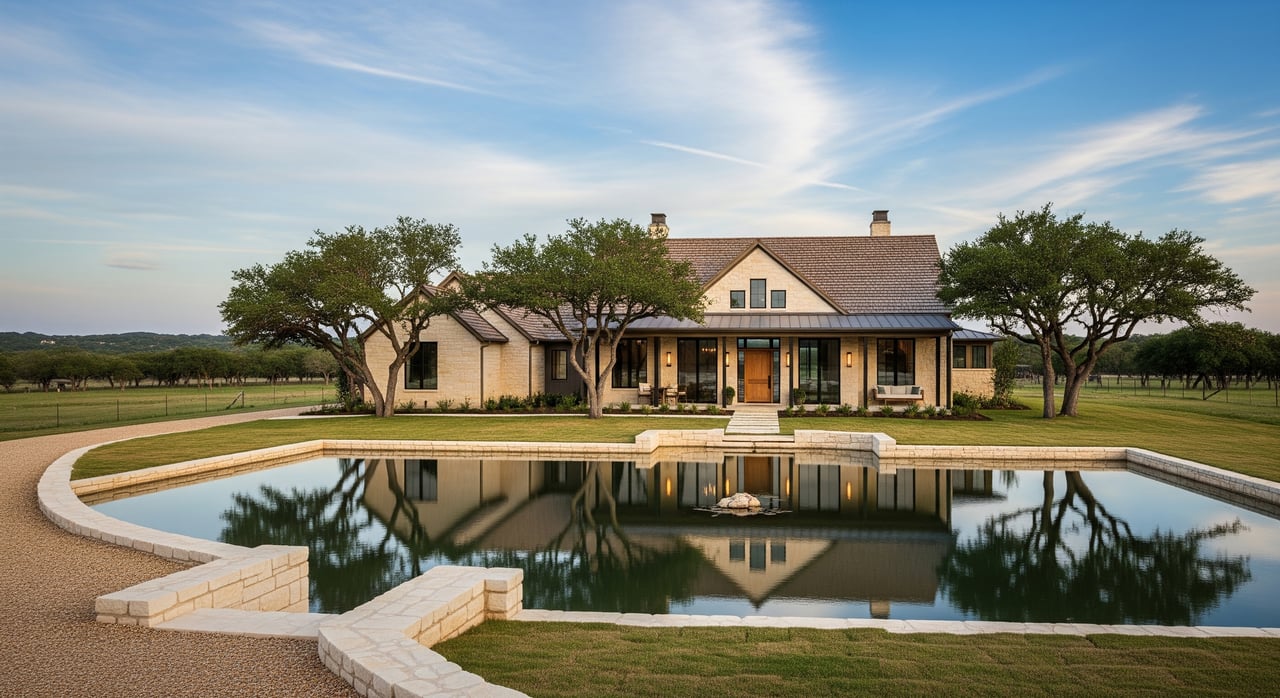
Ever wonder what a typical week looks like when your backyard is 10, 20, or even 50 acres of oak and pasture? If you are craving quiet, space, and a closer connection to the land, Bosque County offers a rural lifestyle that feels a world away while still within reach of bigger cities. In this guide, you will learn what daily life really looks like, where you run errands, how utilities work, and the due diligence that protects your purchase. Let’s dive in.
Bosque County lifestyle
Bosque County sits between Dallas-Fort Worth and Waco with small-town hubs like Clifton and Meridian. You will see rolling pastureland, oak and mesquite, and the Bosque River winding through the countryside. Properties range from small ranchettes to mid-size acreage and larger ranch parcels.
The pace is slower, and community life often centers on town squares, local churches, and seasonal festivals. Many buyers come for privacy, room for horses or a garden, and a quieter second-home base. You can enjoy country living without being too far from services.
Daily rhythms and commutes
Most residents handle groceries, hardware, and feed in Clifton or Meridian. For big-box retail, specialty shopping, or certain medical services, you will likely plan trips to Waco or other regional centers. Many owners stack errands to save time.
Commuting to Fort Worth or Arlington is possible, but you should plan on roughly an hour or more each way depending on your location. Many people make occasional Dallas-Fort Worth trips instead of daily drives. If you work remotely, confirm reliable internet where you plan to buy.
Schools, services, and healthcare
Multiple independent school districts serve the county, including Clifton ISD and Meridian ISD. Attendance zones, transfer options, and bus routes vary by address, so confirm details directly with your district. You can review information through Clifton ISD and Meridian ISD.
Primary care clinics and urgent care options are available in local towns. Larger hospitals are in regional centers like Waco or Hillsboro, and of course in the Dallas-Fort Worth metro. Volunteer fire departments cover much of the county, so properties farther from town should verify coverage, typical response times, and available water sources for fire suppression.
Utilities and connectivity
Acreage living is more self-reliant. It pays to confirm the following before you make an offer:
- Water. Many properties use private wells. Some have rural water service near town. Test well yield and water quality, and confirm any rural water line availability.
- Septic. Most homes use on-site septic. Check age, capacity, and maintenance history, and understand permitting for upgrades through the Texas Commission on Environmental Quality.
- Electricity and gas. Service is usually from rural electric providers. Long runs to a home site can add cost. Propane delivery is common where natural gas lines do not reach.
- Trash and recycling. Expect fewer pick-up days. Some bulk items may require drop-off.
- Internet. Options can include fixed wireless, DSL or cable near town centers, and satellite. Fiber is expanding in parts of rural Texas but is not universal. Verify address-level options with the FCC Broadband Map.
Roads, access, and weather
Access might be via paved county roads, chip-seal lanes, or private gravel drives. Counties generally maintain public roads, while private roads and long drives are the owner’s responsibility. Heavy rains and occasional winter ice can affect low-water crossings and dirt roads, so plan for routine maintenance.
If your property touches a river corridor or drainage area, check for floodplain. You can view parcel-specific maps through the FEMA Flood Map Service Center. Always confirm you have legal access via public road frontage or a deeded easement, and review any recorded easements that cross the land.
What acreage properties include
Improvements vary widely, but many Bosque County tracts include practical infrastructure that supports a rural lifestyle:
- Barns and sheds for equipment or feed storage
- Livestock pens, loafing sheds, and cross-fencing
- Perimeter fencing, from barbed wire to pipe and no-climb setups
- Stock tanks or ponds for livestock and wildlife
- Horse facilities, such as arenas or round pens on equestrian-friendly parcels
- Water systems, including wells, pumps, and storage tanks
- Road access, with county-road frontage or deeded easements to interior tracts
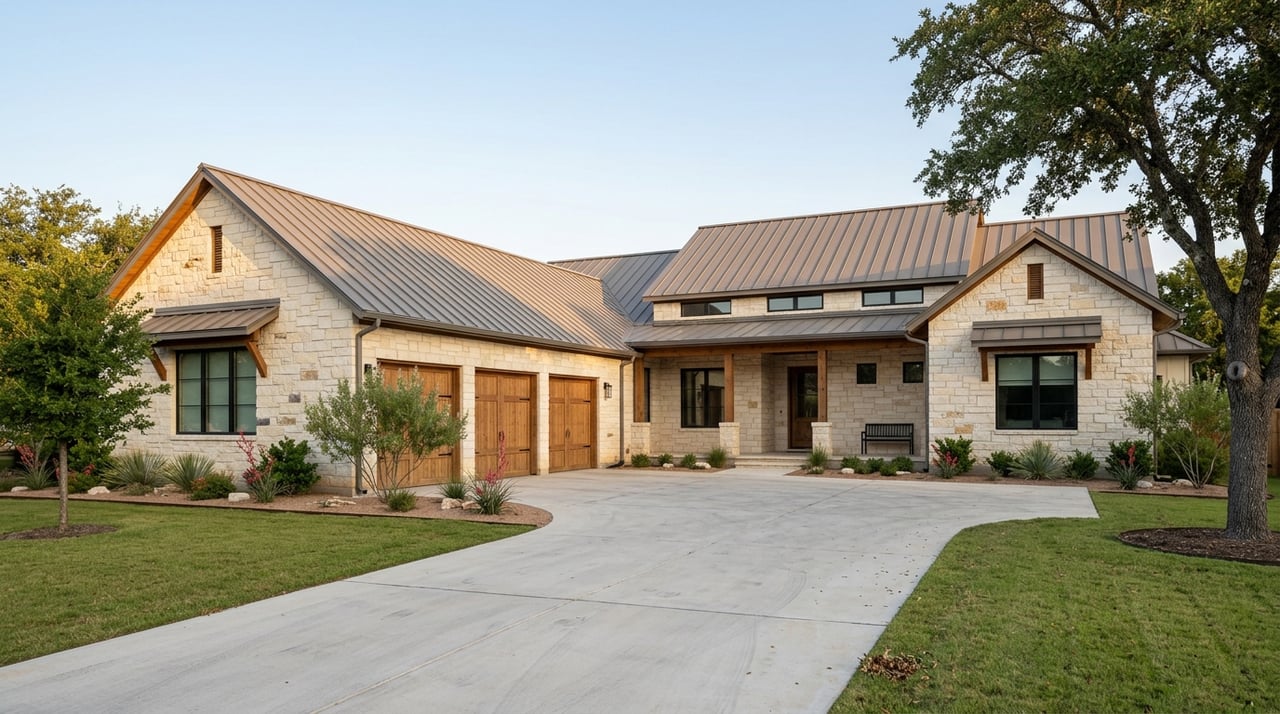
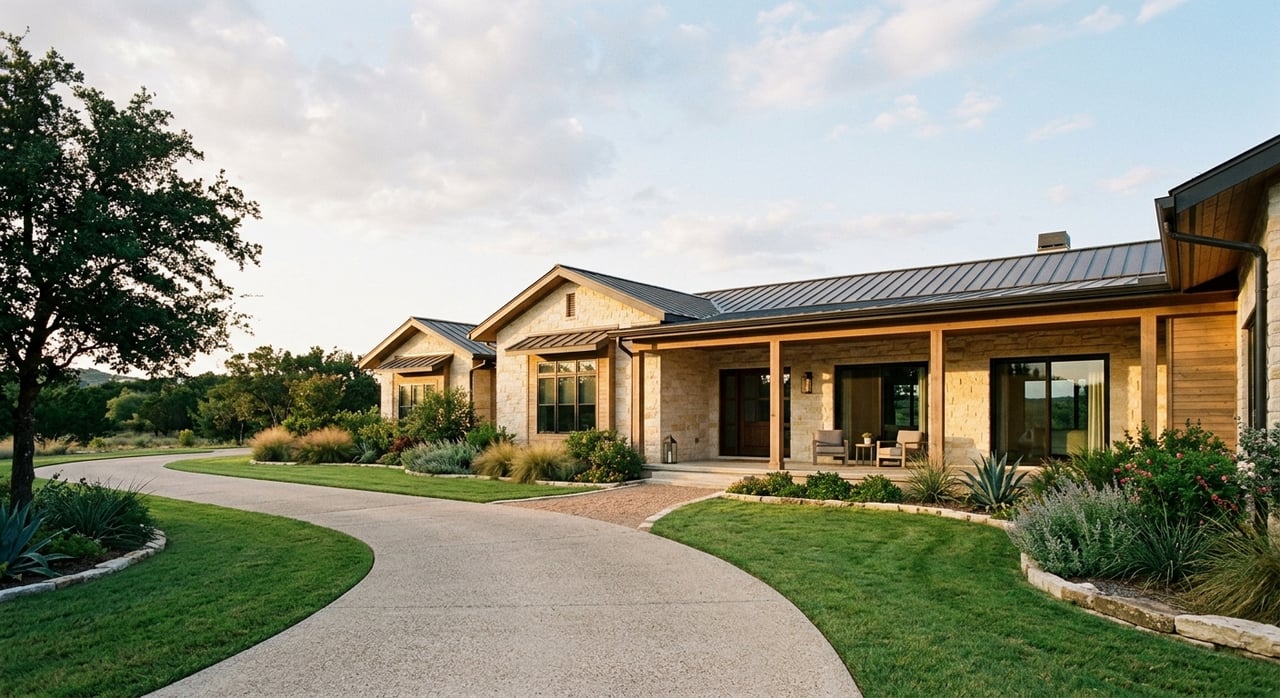
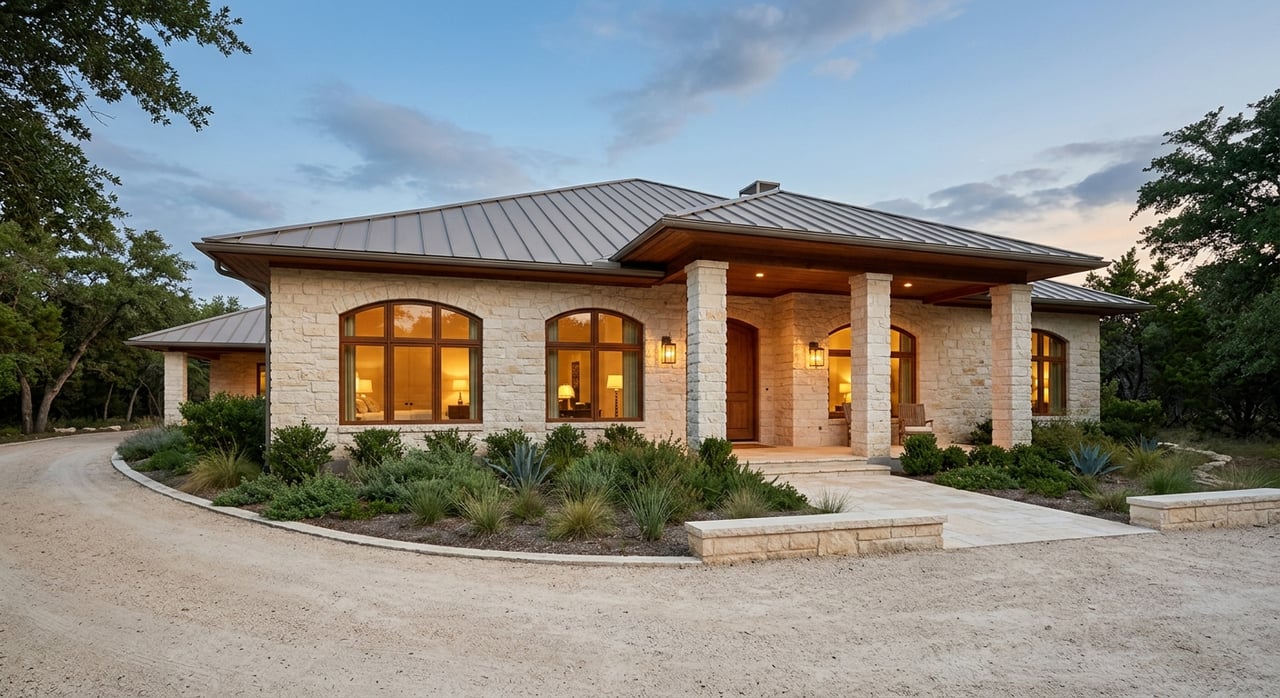
Homes range from modest farmhouses and manufactured homes to custom country builds with large porches and views.
Land uses and recreation
You will see small cow-calf operations, goats, and hobby farming on many parcels. Owners also enjoy hunting whitetail deer and turkey, birding, riding horses, or exploring trails by ATV. Lakes and rivers nearby offer fishing and seasonal recreation. If you enjoy wildlife and habitat, you can manage cedar or mesquite, restore grasses, and enhance cover for game.
For hunting regulations, public resources, and seasons, check Texas Parks & Wildlife.
Ownership realities: time and cost
Acreage delivers space and privacy, and it comes with ongoing maintenance. Budget for fence repairs, brush control, pond upkeep, and road grading, plus routine care for livestock. Many owners hire local handymen or contractors, but scheduling can take longer than in metro areas.
You can manage costs by planning seasonal projects, keeping a basic tool set, and building relationships with local service providers. A regular maintenance calendar will save time and money.
Rules, taxes, and permits to know
- Land-use rules. Unincorporated areas of Texas typically have limited county zoning. Inside city limits, standard municipal zoning can apply. Deed restrictions sometimes govern platted acreage communities, so review all title documents.
- Groundwater and wells. Rules can vary by groundwater conservation district. Confirm your property’s status, and use the Texas Water Development Board’s groundwater data for research.
- Septic systems. Replacements or upgrades often require permits and inspections. See the TCEQ on-site sewage facilities guidance.
- Property taxes and ag valuation. Rural or agricultural use valuation may reduce taxes for qualifying properties. Review valuation and tax-rate details with the Bosque County Appraisal District.
- Insurance and risk. Rural homes can face different underwriting standards for fire or flood. If any part of the parcel lies in a floodplain, flood insurance may be required or advisable.
- Title, easements, minerals. Confirm legal access, review utility and pipeline easements, and verify whether minerals are included or reserved. Title insurance and professional review help protect your rights.
Due diligence checklist for buyers
Use this quick list to evaluate a specific property and verify key details:
- Water and septic. Obtain well logs, pump test results, and water quality tests. Confirm septic age, capacity, and permits with TCEQ resources.
- Utilities. Identify the electric provider, any service extension costs, and fuel delivery options.
- Internet. Confirm speeds and providers using the FCC Broadband Map.
- Roads and access. Verify public road frontage or a recorded easement and who maintains any private road.
- Flood and drainage. Check the FEMA Flood Map Service Center and ask for any elevation certificates.
- Schools. Confirm attendance zones and bus routes with Clifton ISD or Meridian ISD, depending on the address.
- Taxes and exemptions. Review the current valuation and any agricultural exemptions with the Bosque County Appraisal District.
- Groundwater data. Research nearby wells and aquifer information through the Texas Water Development Board.
- Local government. For county services, road maintenance, and records, use the Bosque County website.
A day in the life on acreage
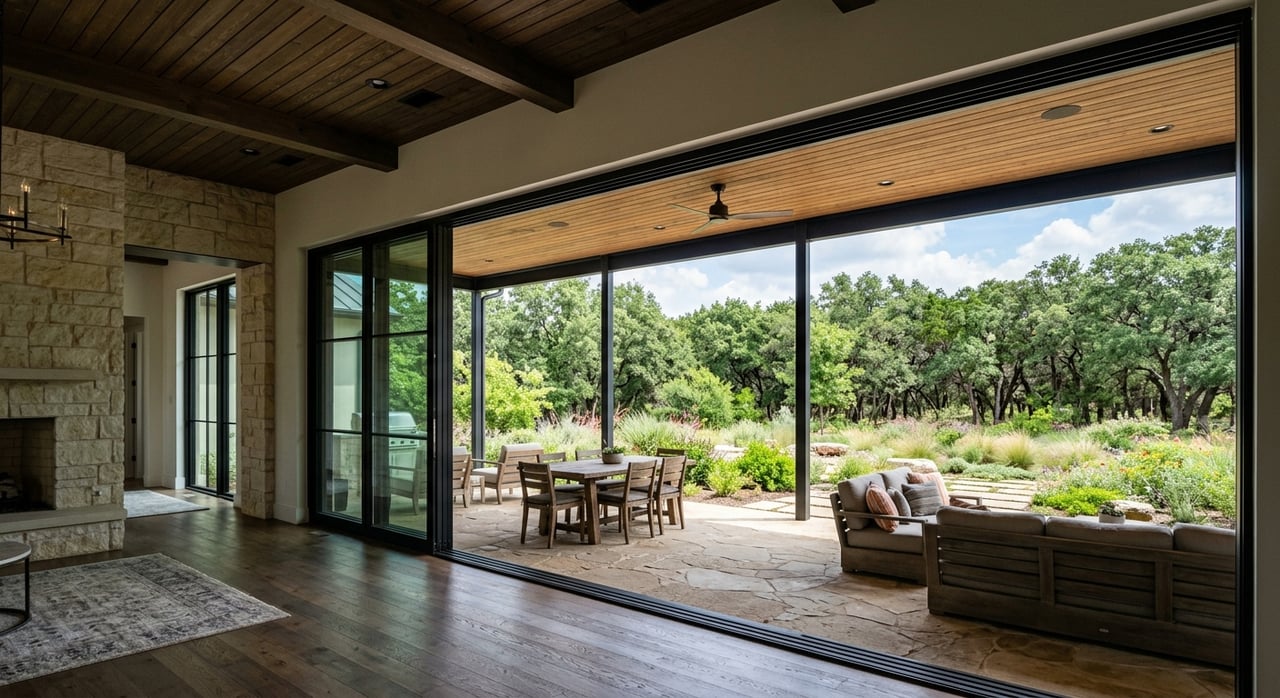
Morning might start with coffee on the porch and a quick check of livestock or a garden. If you have students, you can coordinate with the school for bus pick-up or plan your drive into town. Midday is ideal for small property projects like fence fixes or brush clearing.
Afternoons often include a run to a local hardware or feed store, then time to ride or walk the acreage before sunset. Weekends are for fishing, hunting in season, or a trip into Waco for specialty shopping or a medical appointment. The rhythm is practical and peaceful.
Is acreage right for you
You might be a great match for Bosque County acreage if you:
- Want more space, privacy, and quiet
- Enjoy outdoor projects or plan to hire local help
- Are comfortable planning errands and service appointments in advance
- Value proximity to Dallas-Fort Worth and Waco without city pace
Tradeoffs include longer drives to major employers and some services, fewer same-day repairs, and more hands-on property care. With clear expectations and due diligence, the lifestyle rewards can far outweigh the work.
Ready to refine your search and compare specific tracts by utilities, access, and value? Connect with Cherie Laake for local guidance and a tailored plan.
FAQs
How long is the commute to Fort Worth or Arlington
- Many owners report roughly an hour or more each way from Bosque County, depending on the property’s location and traffic patterns.
What internet options exist on rural Bosque acreage
- Options can include fixed wireless, DSL or cable near town, and satellite; fiber is expanding but not universal. Confirm available speeds with the FCC Broadband Map.
Do most acreage properties have wells or public water
- Many rely on private wells, while some closer to towns connect to rural water lines; you should verify service type and test well yield and water quality.
What should I know about septic systems on acreage
- Septic is common; check the system’s age, capacity, and maintenance history, and review permitting requirements through TCEQ.
How do agricultural valuations affect property taxes
- Qualifying rural or agricultural use can reduce taxable value; confirm eligibility, current valuation, and tax entities with the Bosque County Appraisal District.
Can I hunt on my property in Bosque County
- Many landowners hunt on private acreage where allowed; always follow Texas Parks & Wildlife regulations and any deed restrictions, and observe safety best practices.