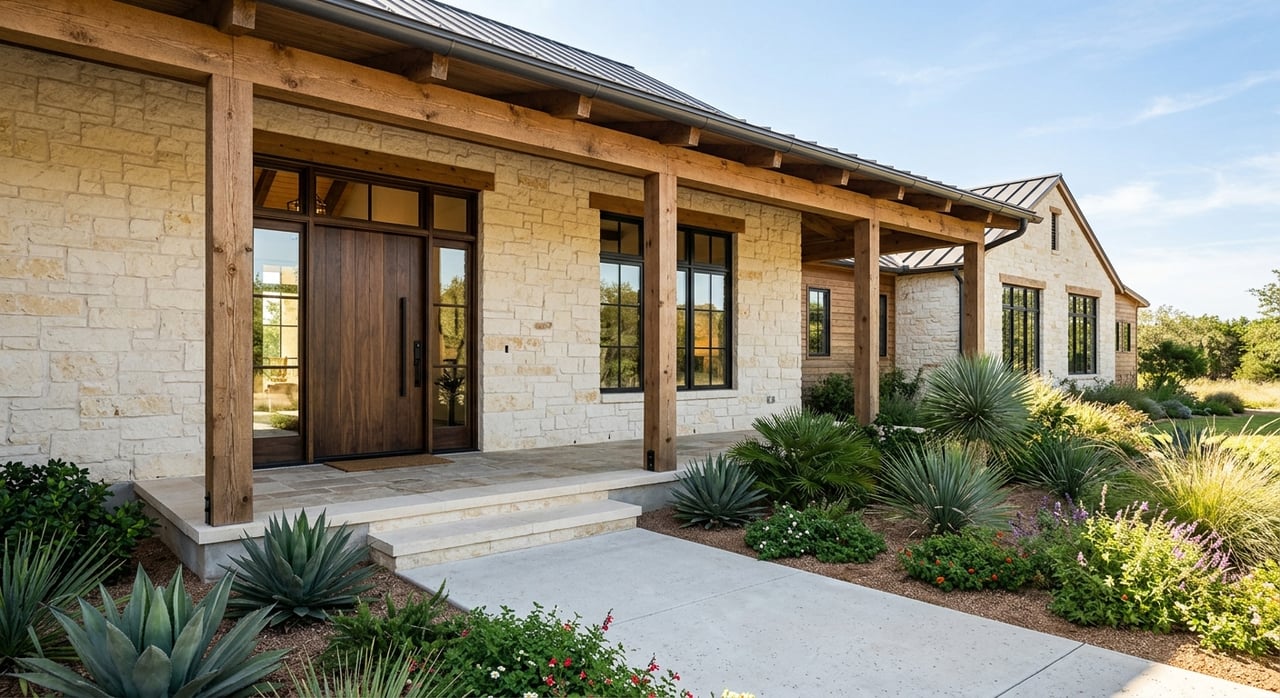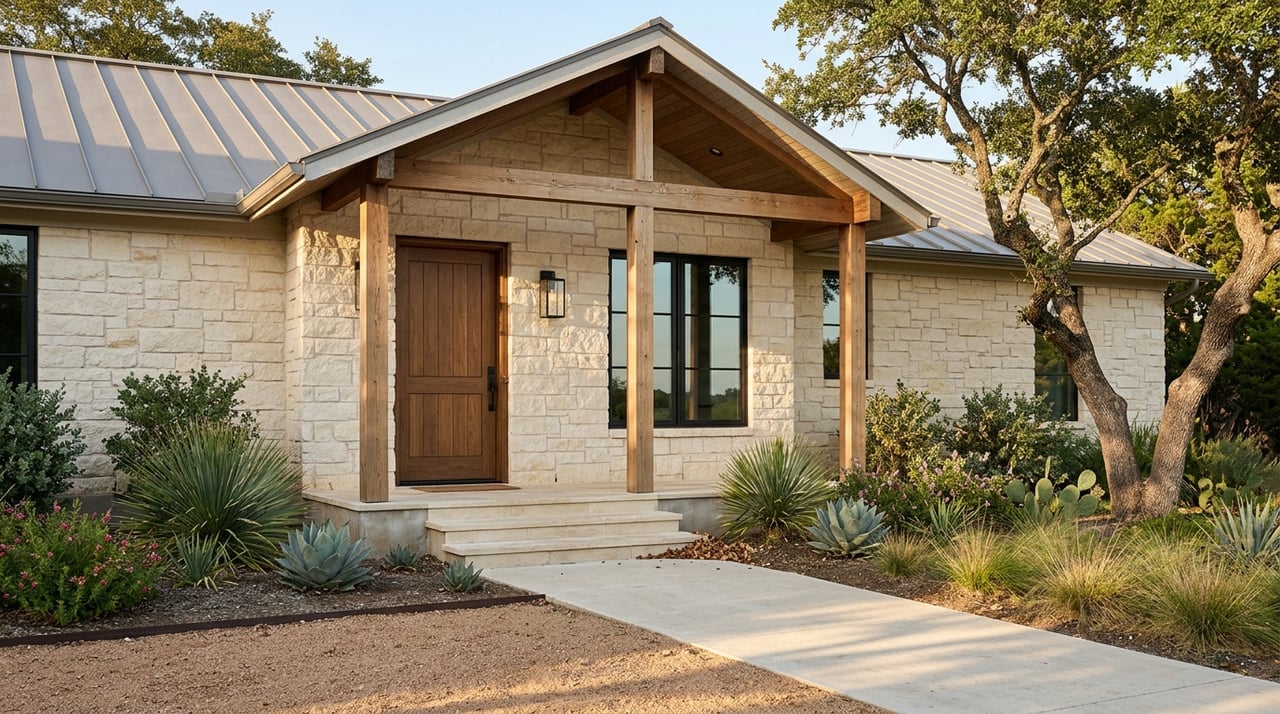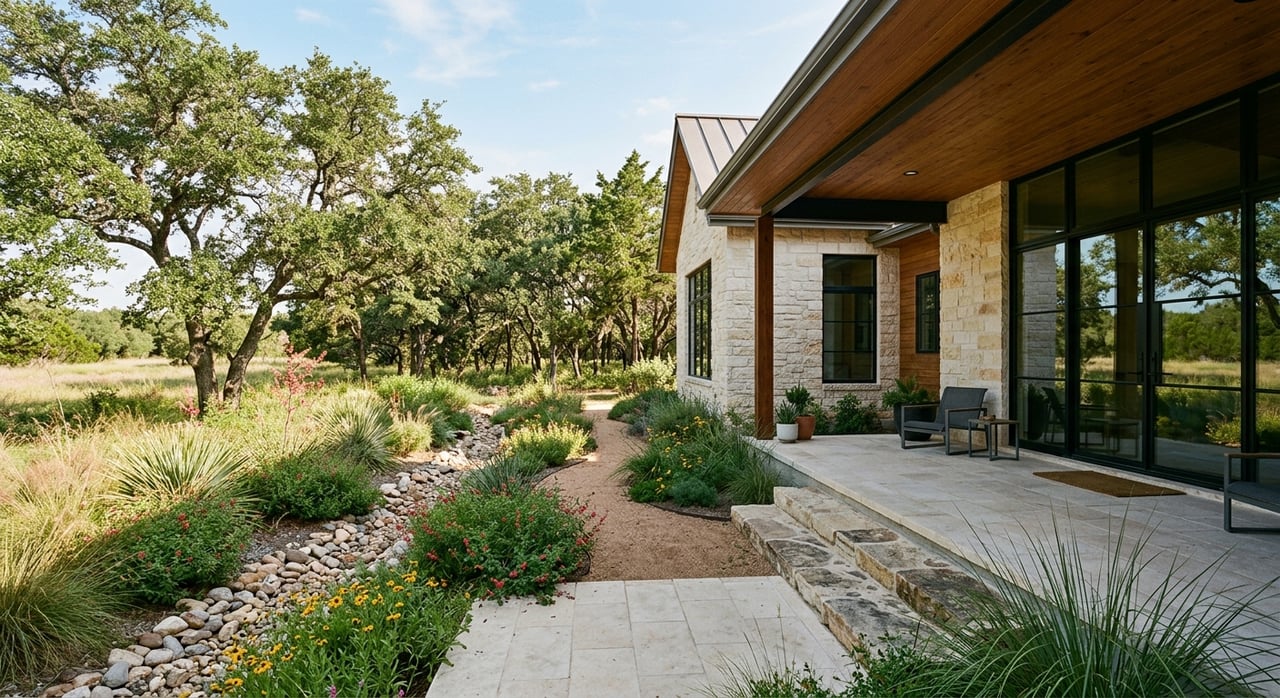
You can fall in love with five or ten acres fast. The view is great, the house feels right, and the barn looks like a bonus. But with small acreage in Hill County, the details under the surface can matter just as much as the first impression. This checklist will help you look at the property the way a careful buyer should, so you can spot access, utility, drainage, and land-use issues before they turn into expensive surprises. Let’s dive in.
Start With Parcel Verification
Before you focus on fences, ponds, or outbuildings, make sure you know exactly what you are buying. Hill CAD’s property search and interactive map are useful research tools, but the county notes that legal descriptions and acreage amounts are for appraisal research only and should be verified before being used in legal documents.
That means your first checklist item is simple: confirm the tract’s legal description, boundary details, and stated acreage. If a listing says “about 8 acres,” treat that as a starting point, not a final fact. On small acreage properties, even minor differences in usable land can affect value and your future plans.
Parcel Questions to Ask
- Does the legal description match the tract being shown?
- Has the acreage been independently verified?
- Are there any visible boundary questions, split tracts, or odd-shaped sections?
- Do the marketing remarks match the county appraisal records?
If the property has been carved out of a larger tract, this step becomes even more important. You want clarity on what is included before you move deeper into due diligence.
Check Legal Access First
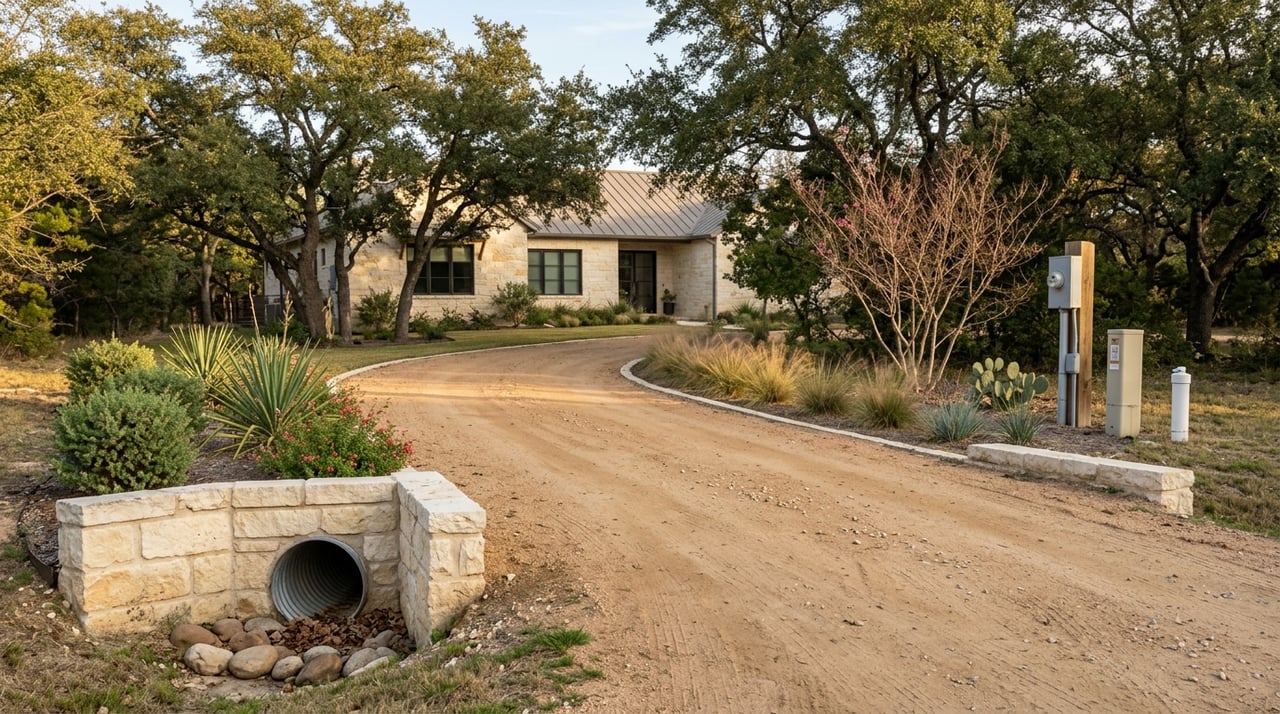
A pretty entrance does not always mean a legal or practical entrance. In Hill County, access is one of the most important parts of evaluating a small acreage property because your driveway, culvert, and road frontage can affect daily use and future improvements.
If the property fronts a state highway, TxDOT requires an access driveway permit for a new driveway or a modification to an existing one. The permit must be executed before work begins, and driveway design standards focus on safe entry, exit, drainage, and geometry for the vehicles that will use it.
If the tract fronts a county road in unincorporated Hill County, the county requires a permit for a culvert or structure placed within county right-of-way. The county policy also applies in the ETJ unless a municipality has stricter subdivision rules.
Access Checklist for Small Acreage
- Is the property served by a state highway, county road, private road, or shared easement?
- Is the entrance wide enough for trucks, trailers, tractors, or RVs if you plan to use them?
- Is the gate set back far enough to pull safely off the road?
- Is any shared access arrangement documented?
- Does the existing culvert appear to meet county requirements?
TxDOT’s standards can be a useful benchmark when you are judging whether an entrance will actually work for farm and ranch equipment, horse trailers, or other larger vehicles. What looks fine for a passenger car may feel very different on move-in day.
Look Closely at Driveway Drainage
Drainage problems often show up after the first heavy rain, not during a sunny showing. That is why you should pay close attention to roadside ditches, culverts, low spots, and any signs that water stands near the driveway or homesite.
TxDOT’s driveway guidance and Hill County’s culvert policy both reinforce the same point: access design is not just about convenience. It also has to handle water flow safely.
Signs Drainage Needs a Closer Look
- Washed-out gravel or erosion near the driveway
- Standing water near the road or entrance
- A culvert that looks too small, crushed, or poorly placed
- Deep ruts or muddy low areas
- Water marks on fences, posts, or outbuildings
If a tract drains poorly, that can affect more than the driveway. It can also shape where you can build, where you can expand, and how usable the land feels year-round.
Verify 911 Addressing and Entrance Setup
In Hill County, new development requires a 911 address first. The county also notes that if there is no established driveway, the new driveway must be staked before the county takes a GPS point for the address.
That matters if you are buying vacant or lightly improved acreage and planning to build later. A property may seem straightforward, but the timing of access and addressing can still affect your next steps.
Why This Matters to Buyers
- A future homesite needs more than a rough idea of where the driveway will go.
- A new entrance may need to be planned before address work can move forward.
- Early layout decisions can affect utilities, septic placement, and site design.
On a small tract, every placement choice carries more weight because there is less room to shift things later.
Confirm Water Source and Well Details
Water should never be a guess on acreage property. If the home uses a private well, ask for as much detail as the seller has, including the well report, pump age, well depth if known, and recent water-testing results.
The Texas Water Development Board says private well water quality is not regulated by the state, and the owner is responsible for addressing water-quality problems. It also notes that private well owners do not need state registration unless the property is in a groundwater conservation district.
Hill County is served by the Prairielands Groundwater Conservation District. For buyers, that means it is smart to confirm whether district rules apply to the tract and whether any local well reporting or registration steps are required.
Well Questions to Put on Your List
- Is the property on a private well or another water source?
- Is there a well report available?
- How old is the pump?
- Has the water been tested recently?
- Are there any district requirements tied to the well?
If you see an old well, uncapped casing, or a well that has not been used in a long time, treat it as a possible cost and safety issue. Texas A&M AgriLife notes that landowners are responsible for plugging abandoned wells, and an abandoned well can create groundwater risk.
Review Septic System Location and Capacity
On many rural properties, the septic system is just as important as the water source. Hill County handles OSSF permits and inspections through Development Services, and TCEQ states that on-site sewage facilities must be based on a site evaluation that accounts for local conditions. Most OSSFs require a permit before construction, installation, repair, extension, or alteration.
When you evaluate a small acreage tract, confirm the location of the tank, drainfield, and any space needed for future expansion. This is especially important if you plan to add a shop, pool, guest quarters, or another improvement later.
TWDB also lists standard separation distances used in Texas. Those include 50 feet from a septic tank to a well, 100 feet from drain fields or spray areas to a well with minimum construction specifications, and 50 feet from any adjacent property line.
Septic Checklist for Buyers
- Where are the tank and drainfield located?
- Is there documentation for the current system?
- Is there room for repair or replacement if needed?
- Does the current layout limit future building plans?
- Are the well and septic components spaced appropriately?
On a five-acre tract, these layout questions can be manageable. On a tighter tract, they can become the deciding factor in whether the property fits your goals.
Match the Land to Your Intended Use
Small acreage can look flexible on paper, but not every tract supports every plan. One of the smartest things you can do is compare the property’s current setup with how you actually want to use it.
A practical Hill County checklist should center on five core items: legal parcel verification, legal access, drainage, water and septic systems, and how the tract’s actual use matches your intended use. That last point is where many buyers either gain confidence or realize the property is not the right fit.
Think Through Your Real Use Case
- Do you want a homesite with a little privacy and room for a shop?
- Do you plan to keep livestock or use trailers regularly?
- Do you need space for future construction?
- Are you counting on a barn, shed, or corral that needs repair?
- Does the layout leave enough usable land after the homesite and utilities are considered?
A small acreage tract can be excellent for one buyer and frustrating for another. The difference usually comes down to layout, access, and utility placement.
Understand Agricultural Valuation Limits
If agricultural valuation is part of your plan, look closely at Hill CAD’s guidelines before you assume the property qualifies. The district says the land must be currently devoted to agricultural use, have a five-of-seven-year use history, and meet Hill County intensity standards.
The guidelines also note that small acreage tracts with a residence are generally considered residential. In addition, acreage occupied by a residence, driveways, or other structures cannot be counted toward the minimum acreage for agricultural use.
Hill CAD’s current 2026 application states that a new application is due by May 1, a new application is needed when ownership changes or eligibility ends, and a change in use can trigger rollback tax. That makes it important to separate wishful thinking from current eligibility.
Ag Valuation Questions to Review
- Is the land currently in qualifying agricultural use?
- Is there a documented five-of-seven-year use history?
- How much of the tract is taken up by the residence and other nonqualifying use?
- Would your intended use continue or end the current qualification?
- Has a new application been filed or will one be needed after closing?
Hill CAD also explains that agricultural appraisal applies only to the land, not to improvements such as barns, outbuildings, or storage tanks. Those improvements are appraised separately at market value, while roads, fences, and stock tanks are treated as part of the land value.
Evaluate Soils, Flood Risk, and Site Layout
The house may be the first thing you notice, but the land itself often determines how easy the property is to live on and improve. FEMA’s Flood Map Service Center is the official source for flood-hazard maps, and Hill County states that it issues floodplain development permits.
If the tract sits low, drains poorly, or shows signs of seasonal standing water, confirm the mapped flood zone and whether county permits may be needed before development. This is especially important if you are planning to build, expand, or change the site layout.
The USDA NRCS Web Soil Survey is the official source for soil data, and Texas A&M AgriLife recommends using a soil survey to understand soil and geologic features that affect wells and groundwater risk. AgriLife’s TEXASyst guidance also supports making a rough property sketch that notes wells, septic components, livestock areas, fuel storage, ditches, and other possible contamination sources.
Land Layout Checklist
- Are there low areas or signs of seasonal ponding?
- Is any part of the tract in a mapped flood-hazard area?
- What do the soils suggest about drainage and site conditions?
- Where are the well, septic components, and other improvements located?
- Are there any nearby uses or storage areas that could affect water quality?
A rough map of the tract can help you see whether the property works as a whole. On small acreage, the relationship between the house, access, utilities, and usable open land matters more than buyers sometimes expect.
Inspect Improvements Separately
On acreage property, buyers sometimes lump every improvement together and call it “the ranch setup.” That can hide important differences in value and condition.
Hill CAD’s guidelines make a useful distinction here. Barns, outbuildings, and storage tanks are treated differently from land features such as roads, fences, and stock tanks. From a buyer’s point of view, that means you should inspect a barn, shed, corral, fencing condition, and stock-pond setup as separate items, not as one package.
Improvements Worth a Closer Look
- Barn or shed condition
- Fence layout and repair needs
- Corral or livestock area usability
- Stock tank condition and placement
- Road and driveway surface condition
A structure that looks serviceable from a distance may still need repairs, and a fence line that appears straight may not be functional for your intended use.
A Smart Hill County Acreage Checklist
When you are comparing small acreage properties in Hill County, keep your process simple and disciplined. Start with the legal parcel, then move to access, drainage, water, septic, and land use.
That order helps you avoid spending time on cosmetic details before you confirm the basics. It also helps you compare one property to another in a way that is practical, consistent, and easier to trust.
If you want help sorting through acreage questions, comparing tracts, or looking at how a property fits your goals, Cherie Laake offers personalized guidance backed by deep experience in North and Central Texas land and rural property transactions.
FAQs
What should you verify first on a small acreage property in Hill County?
- Start with the legal parcel details, including the legal description and acreage, because Hill CAD says its maps and acreage figures are for appraisal research only and should be verified before use in legal documents.
What access issues matter most for small acreage in Hill County?
- You should confirm whether the property has state-highway frontage, county-road frontage, private-road access, or a shared easement, and then review driveway width, gate placement, culvert needs, and any permit requirements that may apply.
What well questions should you ask when buying Hill County acreage?
- Ask for the well report, pump age, well depth if known, recent water-testing results, and whether any Prairielands Groundwater Conservation District rules apply to the tract.
What septic details should you confirm on a Hill County rural property?
- You should verify the location of the septic tank and drainfield, check available documentation, and make sure the layout leaves room for future use while respecting standard well and septic separation distances.
Can every small acreage tract in Hill County qualify for agricultural valuation?
- No. Hill CAD says qualifying land must be currently devoted to agricultural use, show a five-of-seven-year use history, meet local intensity standards, and exclude areas occupied by a residence, driveway, or other nonqualifying structures.
Why do soils and flood maps matter when evaluating Hill County acreage?
- They help you understand drainage, buildability, groundwater risk, and whether floodplain development permits may be needed before you improve the property.