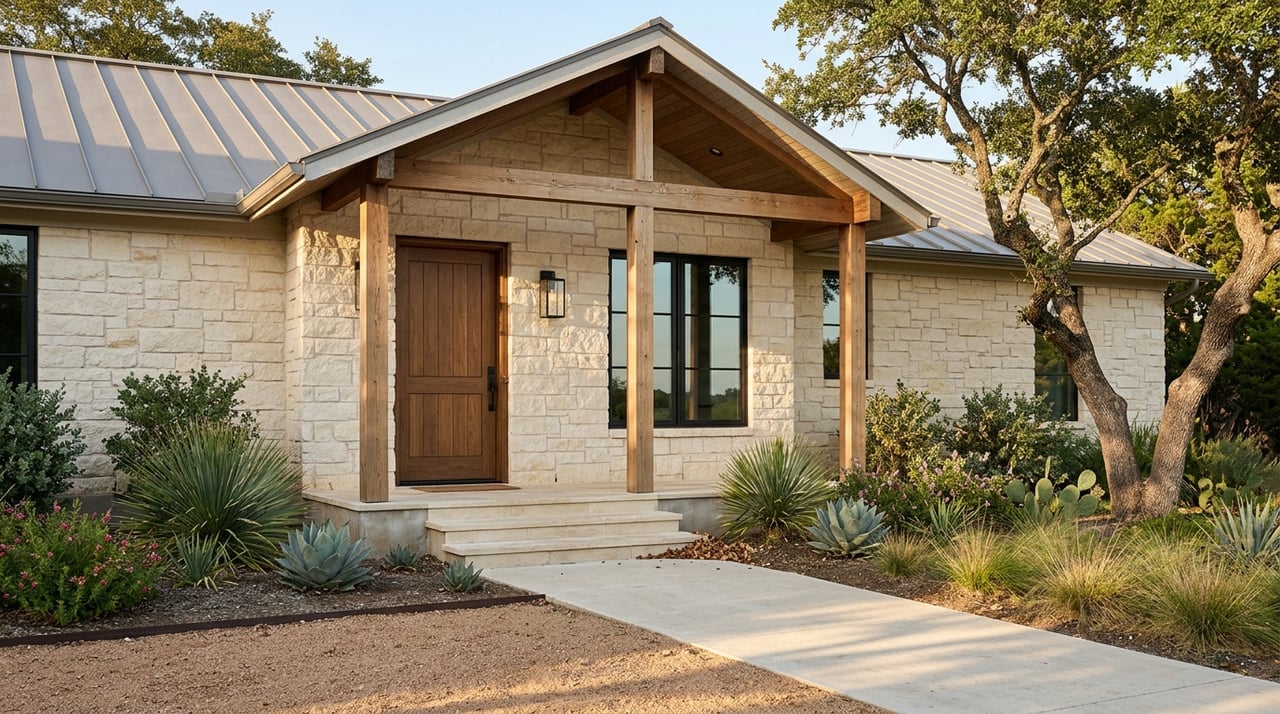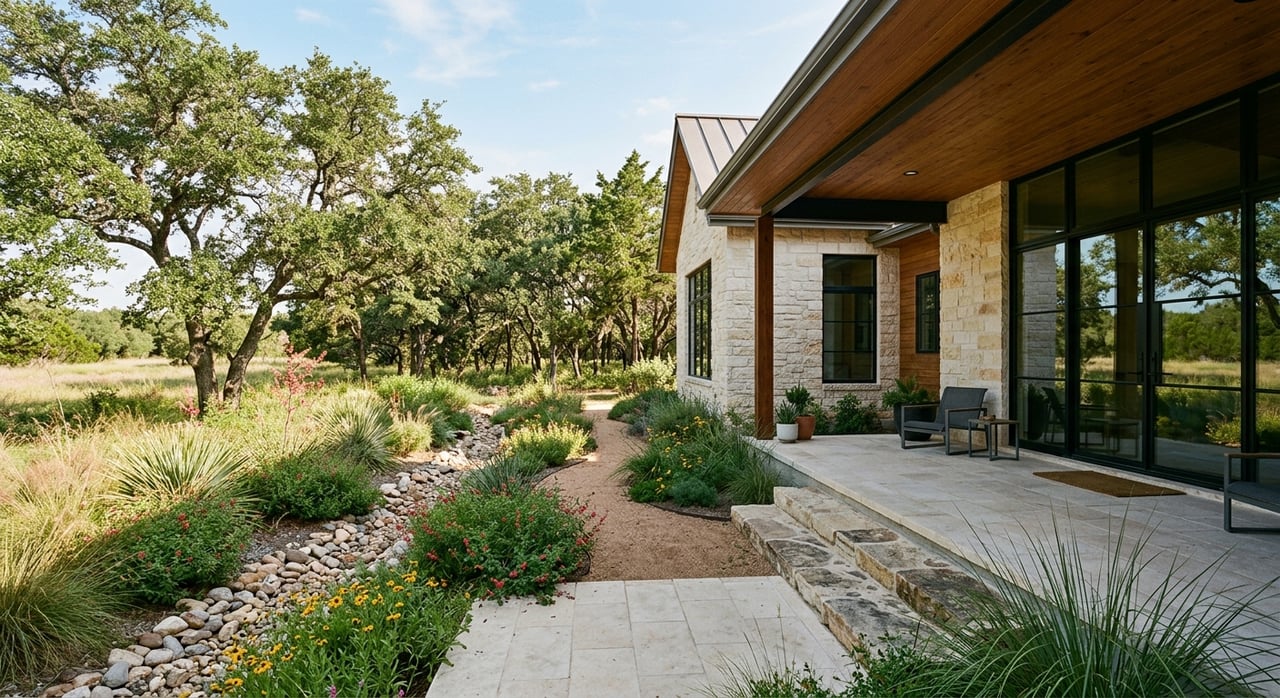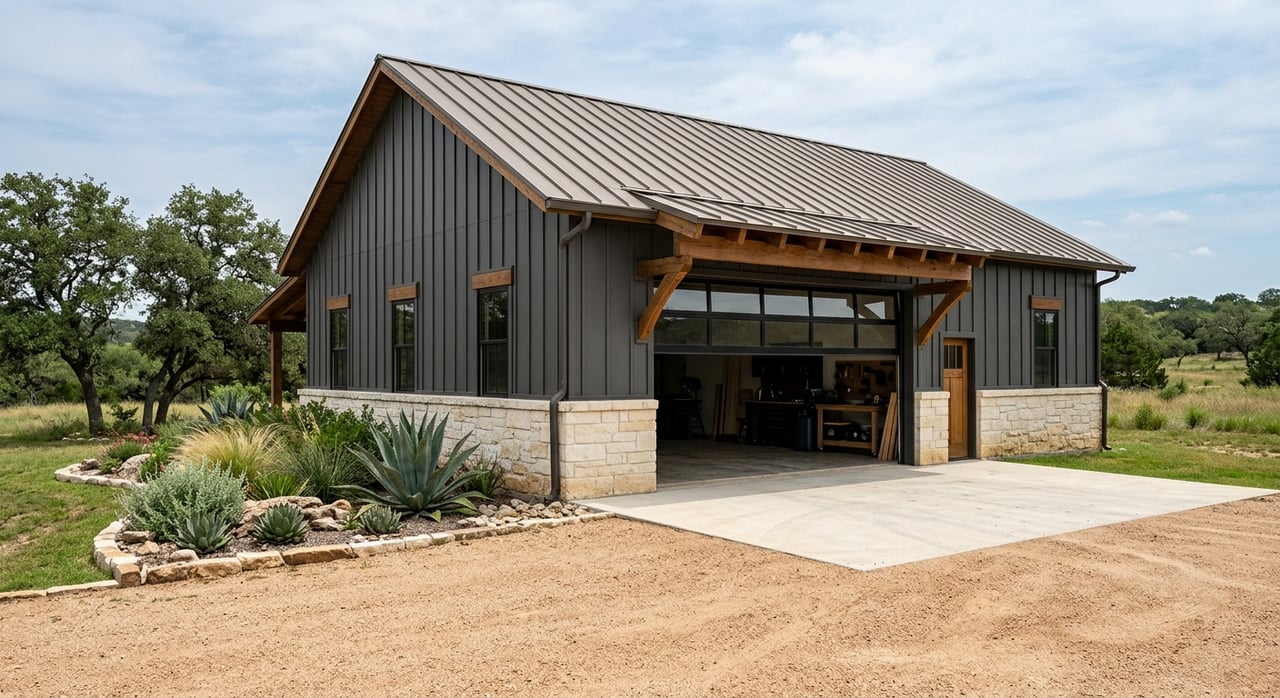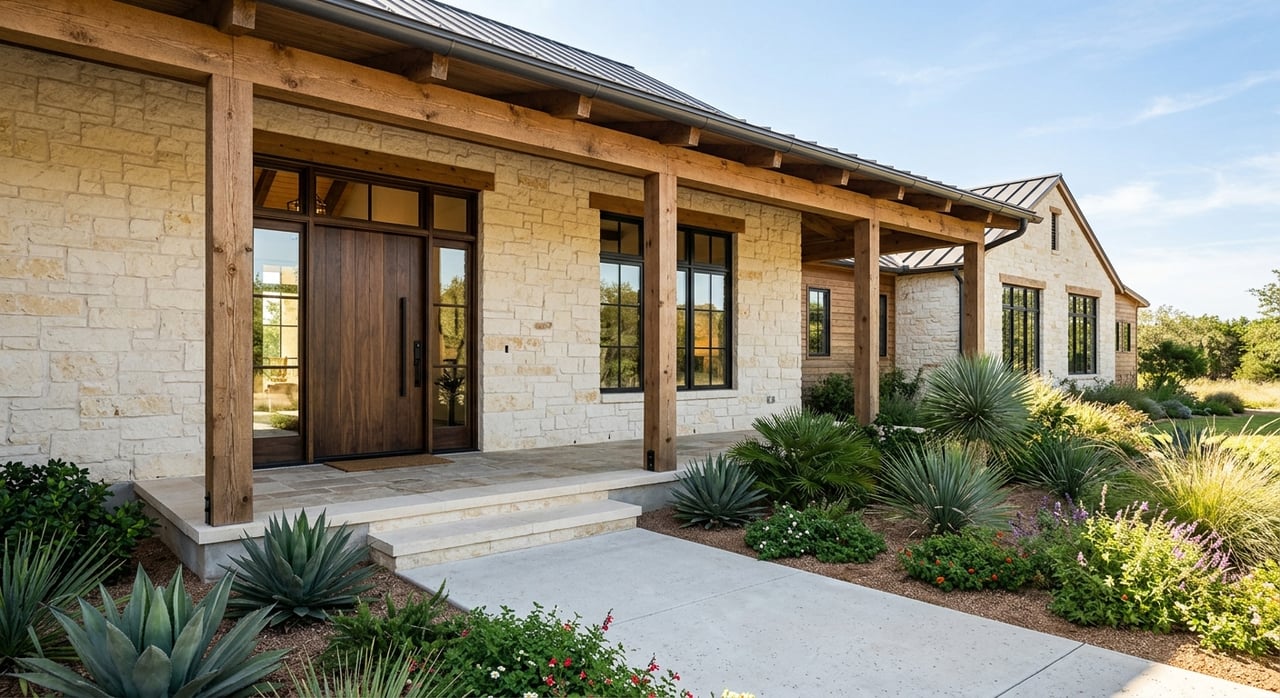
If you are thinking about selling in Hill County, pricing your property by yesterday’s market can cost you time and leverage today. Buyers have more choices now, and many are taking a slower, more careful approach before making an offer. The good news is that a smart strategy can still help your home or land stand out, attract serious interest, and sell with fewer surprises. Let’s dive in.
Hill County market trends right now
Hill County looks more buyer-leaning to balanced than strongly seller-favored in spring 2026. Public market snapshots for March and April 2026 show a market with softer prices, more active listings, and longer selling times than many owners may expect.
Realtor.com’s April 2026 snapshot shows 1,045 active listings, a median listing price of $271,850, a median sold price of $245,805, and 75 median days on market. Redfin’s March 2026 data shows a median sale price of $228,000, 82 days on market, a 92.9% sale-to-list ratio, and 27.9% of homes with price drops.
The exact price point varies by source because each platform measures the market a little differently. Still, the larger message is clear: Hill County homes are generally trading in the mid-$200,000s, and sellers need to be realistic about current conditions.
Why this matters for your selling strategy
In a market with more inventory and softer pricing, buyers tend to compare options more carefully. That means your property has to compete on price, condition, and presentation from the start.
This does not mean sellers have no leverage. It means leverage is earned. Well-prepared and correctly priced properties can still perform well, even in a market where buyers have more room to negotiate.
Redfin reports that 14.7% of Hill County homes sold above list price. That tells you strong listings can still rise above the average, but they usually do so because they launch with the right strategy.
Price your home from closed sales
One of the biggest mistakes a seller can make in Hill County right now is choosing a price based on hopeful asking numbers instead of recent closed sales. Public data shows a clear gap between where homes are listed and where they actually sell.
Realtor.com shows a median listing price of $271,850 but a median sold price of $245,805 in April 2026. Redfin’s March 2026 data also points to a market where sellers are not always getting full asking price, with a 92.9% sale-to-list ratio.
That gap matters when you set your price. If you aim too high at launch, buyers may pass over your property, and the listing can sit long enough to require a price reduction later.
Why overpricing hurts more now
Hill County buyers have options, and many are watching for value. If your listing starts high, it can miss the first wave of serious buyers who are most active when a property is new to the market.
That matters because price cuts are common in this market. Redfin reports that 27.9% of Hill County homes had price drops in March 2026, which suggests many sellers are adjusting after listing too aggressively.
Use several months of comps
Hill County sale counts can be small, so one month of county numbers can paint an incomplete picture. NTREIS data showed a median single-family price of $360,000 in January 2026, then $224,900 in February 2026.
That kind of swing is exactly why you should not build your pricing plan around one headline number. A better strategy is to review several months of closed comparable sales and focus on properties that truly match your home, acreage, condition, and location.
Expect a longer selling timeline
If you are used to hearing stories from hotter markets, Hill County may feel slower than expected. But slower does not mean stalled. It simply means timing and preparation matter more.
Consumer portal data places Hill County homes at roughly 75 to 82 days on market. NTREIS single-family data for early 2026 showed even longer timelines, around 107 to 115 days on market.
Compared with the broader DFW market, Hill County is moving at a slower pace. In February 2026, the DFW single-family market showed 3.7 months of inventory, 76 days on market, and a 93.9% sold-to-list ratio, while Hill County showed looser conditions.
What that means for you
You should build your selling plan around patience and preparation, not urgency and guesswork. If your property is not fully ready when it hits the market, you may lose valuable momentum during the first few weeks.
Texas A&M’s March 2026 housing insight showed statewide active inventory rising and noted that new listings rebounded at the start of the year. For sellers, that supports a simple takeaway: list when your property is truly market-ready, not just when you are hoping to get ahead of the next listing wave.
Hill County neighborhoods and towns vary
Countywide data is helpful, but it is only a starting point. In Hill County, market conditions can look different depending on where your property is located and what type of home or tract you are selling.
Consumer data shows Whitney with a median listing price of $289,300, Hillsboro at $270,000, Itasca at $239,999, and Hubbard at $204,000. Days on market also vary, from 48 days in Itasca to 114 days in Hubbard.
That variation is why a local pricing strategy matters so much. A seller in one part of the county should not assume the same timing or pricing will work equally well in another.
Selling acreage requires a different playbook
If you are selling vacant land or acreage in Hill County, your strategy should be even more disciplined. The land segment is moving more slowly and appears more negotiable than the residential home market.
NTREIS data for February 2026 shows 26 land sales, a median closed price of $52,500, 200 days on market, an 82.9% sold-to-list ratio, and 23.5 months of inventory. January was even thinner, with just 11 sales and a 66.9% sold-to-list ratio.
This tells you buyers often have more leverage when shopping for land. It also means sellers need to be especially careful about using the right comps and setting realistic expectations from day one.
Why acreage pricing is tricky
The MLS land category includes different tract sizes and lot types, so broad averages can only tell part of the story. A small homesite, a recreational tract, and a larger rural parcel may all show up in the same category, even though buyers value them differently.
TRERC’s fourth quarter 2025 rural land report placed the Austin-Waco-Hill Country region, which includes Hill County, at $7,911 per acre, up 8.15% year over year. But the same report cautioned that regional land data is only an indicator of past market conditions and not a substitute for a property-specific sales study or appraisal.
How to position land better
For acreage, presentation still matters even when there is no home on the property. Clear boundaries, strong photos, useful property details, and realistic pricing can help reduce confusion and attract better-qualified buyers.
This is especially important in a segment where inventory is high and time on market is long. In a slower land market, unclear positioning can cause a property to sit much longer than necessary.
Preparation matters more than waiting
Many sellers hope a better season or stronger headline number will solve everything. But in Hill County’s current market, preparation is often more powerful than waiting.
A clean, well-presented property priced from recent closed comps has a better chance of attracting serious attention early. That matters because early interest is often your best opportunity to create momentum and negotiate from a stronger position.
The market data supports this approach. Even though overall conditions are softer, some homes still sell above list price, showing that buyers will respond when a property feels well-positioned.
A smart Hill County selling plan
If you want to align your strategy with current Hill County trends, focus on these steps:
- Review recent closed comparable sales, not just active listings
- Look at several months of data instead of one monthly median
- Adjust expectations for your town, price point, and property type
- Prepare the home or land thoroughly before listing
- Expect negotiation and build that into your pricing plan
- Launch with a realistic price instead of planning on a later reduction
This kind of plan gives you a better shot at a smoother sale. It also helps you avoid the common trap of chasing the market down with repeated price cuts.
The bottom line for Hill County sellers
Hill County is not a market where you can set any price and expect buyers to come running. It is a market where the best results usually go to sellers who understand the local numbers, respect buyer behavior, and prepare carefully before going live.
Whether you are selling a home in town or acreage outside it, your strategy should reflect today’s conditions, not older pricing expectations. With the right pricing, presentation, and timing, you can still put yourself in a strong position.
If you want a tailored plan for your home, acreage, or rural property in Hill County, Cherie Laake can help you evaluate current comps, position your property competitively, and move forward with confidence.
FAQs
Is Hill County, Texas a seller’s market right now?
- Current public data points to a buyer-leaning to balanced market overall, rather than a strongly seller-favored market.
How long do homes usually take to sell in Hill County?
- Public market data shows roughly 75 to 82 days on market, while NTREIS single-family data in early 2026 showed about 107 to 115 days.
How long does acreage take to sell in Hill County?
- NTREIS land data for February 2026 showed about 200 days on market, which is much slower than the residential home segment.
Why should Hill County sellers use closed comps instead of listing prices?
- Current market data shows a meaningful gap between asking prices and sold prices, so recent closed sales give a more realistic pricing benchmark.
Should a Hill County seller wait for the market to improve?
- Current data suggests sellers are usually better served by listing when the property is fully prepared and priced correctly, rather than waiting for a stronger headline number.