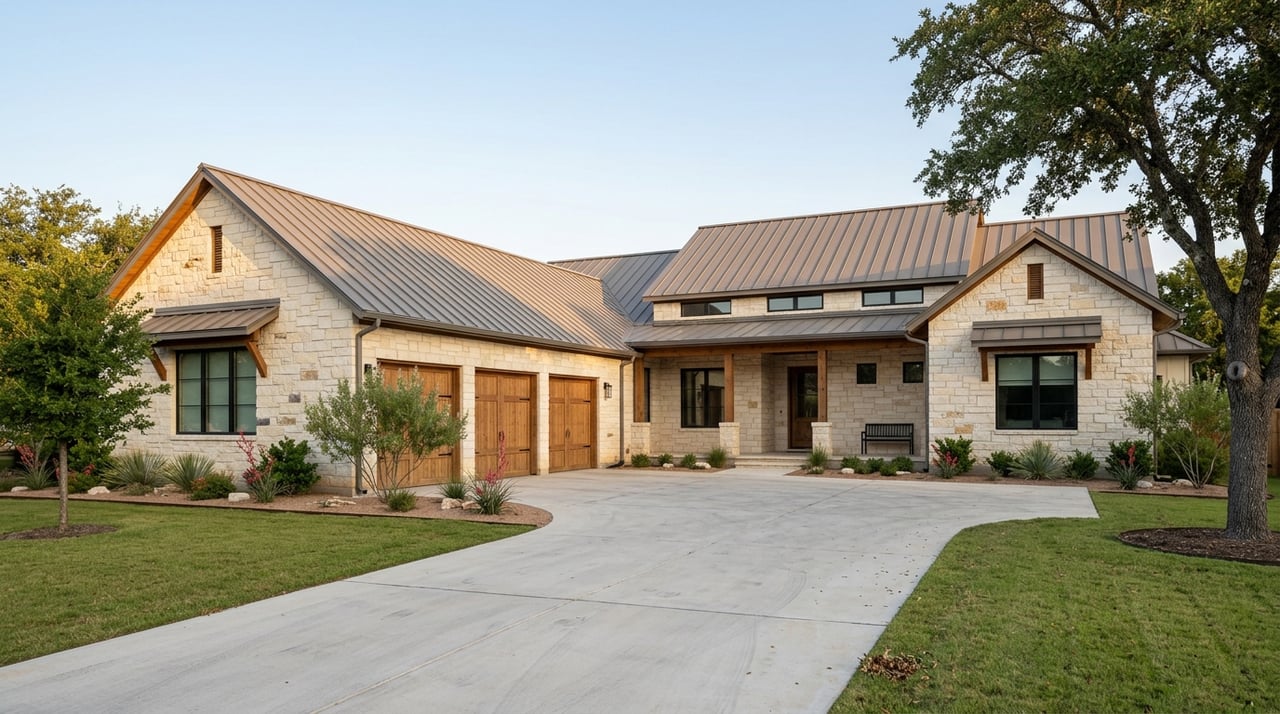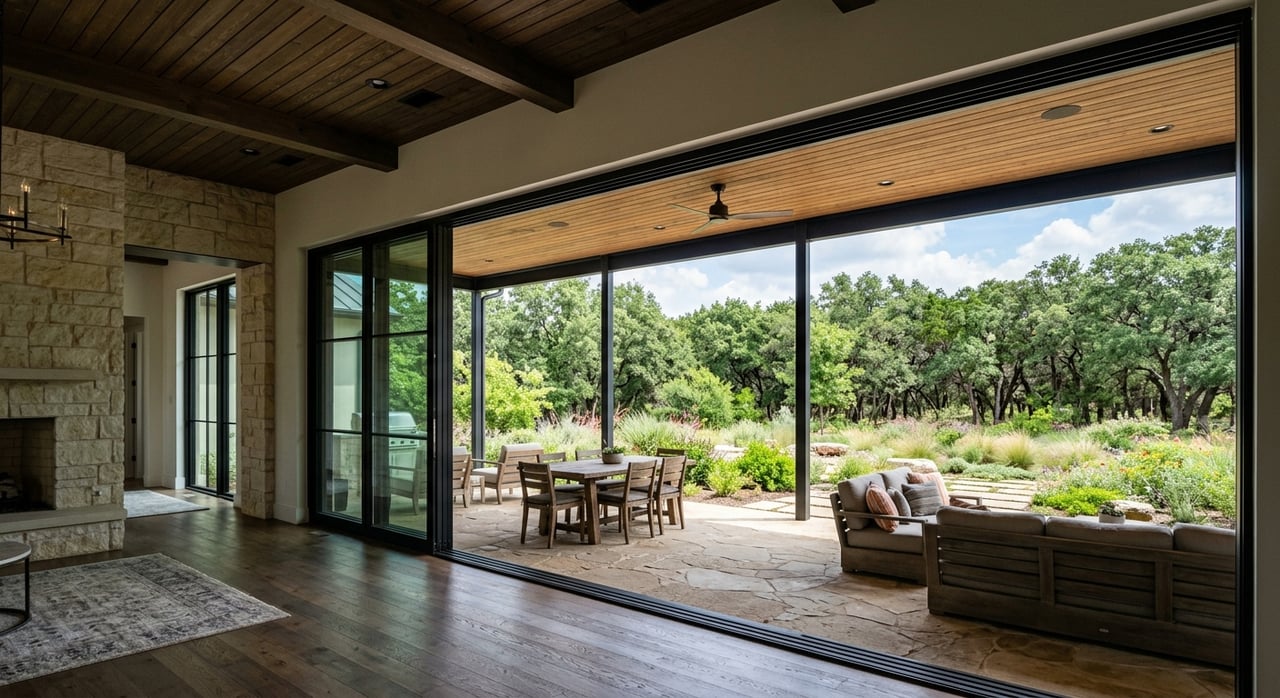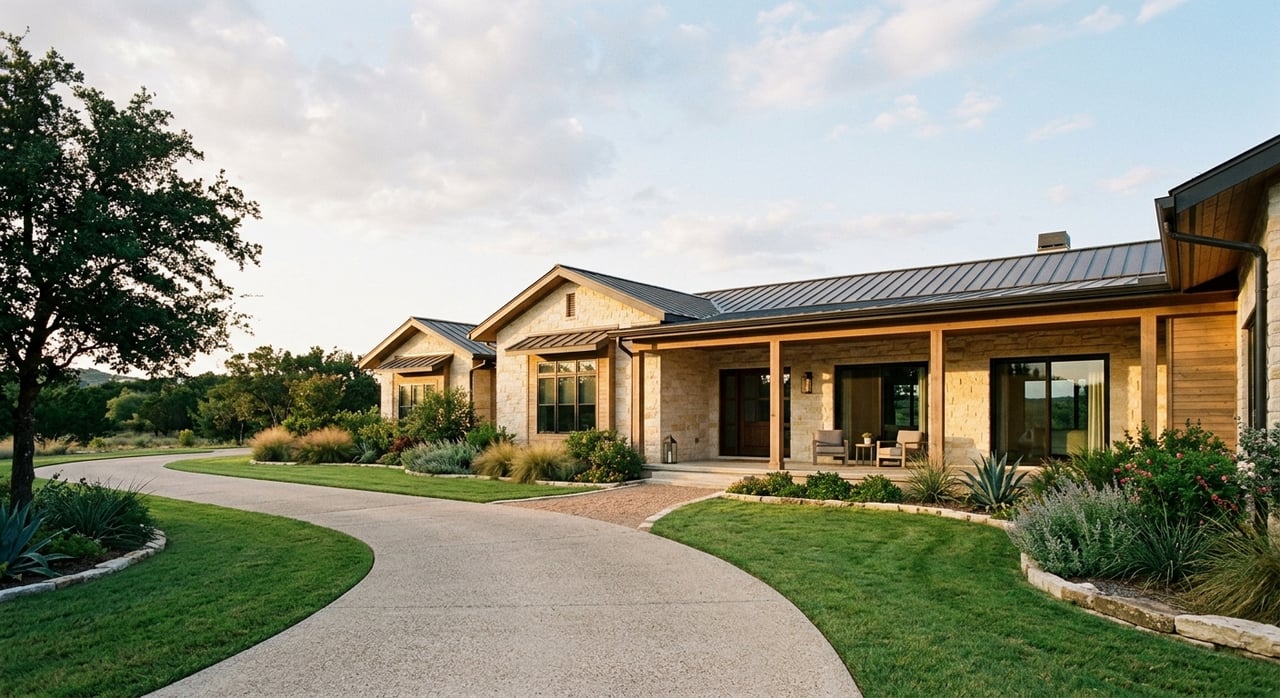
Buying Bosque County acreage can feel simple when you first find the right tract, but the path from offer to closing has more moving parts than many buyers expect. If you want room to build, run livestock, enjoy weekend land, or hold a long-term investment, you need to know what to verify before you get too far down the road. This guide walks you through the key steps so you can move forward with more confidence and fewer surprises. Let’s dive in.
Start With the Right Contract
In Bosque County, the contract form matters more than many buyers realize. Texas Real Estate Commission forms are public-use forms, but TREC also warns that mistakes in using them can lead to financial loss or even an unenforceable contract.
For many Bosque County acreage purchases, the Farm and Ranch Contract is the form that fits best. TREC says it is generally used for rural properties with metes-and-bounds descriptions from a survey, and it is mandatory in the sale of a farm or ranch. If the property is unimproved and intended for a one-to-four-family residence, the Unimproved Property Contract may apply instead.
If your purchase depends on a loan, the financing terms also need to be written correctly. TREC says the Third Party Financing Addendum is mandatory when there is a financing condition, which makes it an important part of many acreage deals.
Know What Happens After the Offer
Once your offer is accepted, the clock starts running on several deadlines. In Texas, contract days are generally counted as calendar days starting the day after the effective date, so timing matters right away.
One of the first deadlines is earnest money. TREC says earnest money must be delivered by close of business on the second working day after execution unless the parties agree in writing to something different. If it is not delivered on time, the seller may have the right to terminate or pursue other contract remedies.
This early stage is also where clear communication helps. Acreage transactions often involve more documents, more property-specific questions, and more back-and-forth than a typical in-town home purchase.
Use the Option Period Wisely
Texas does not give you an automatic cooling-off period. Instead, the termination option is negotiated in the contract, and if you pay the agreed option fee, you gain the unrestricted right to terminate for any reason during that option period.
That makes the option period your main due diligence window. TREC says buyers can use this time to inspect the property and negotiate an amendment for necessary repairs or other changes before moving ahead.
On Bosque County acreage, the option period should be used to confirm the land works for your goals. Rural property can carry unknowns that are not obvious from a drive-by or listing photos.
Focus on the Big Acreage Questions
During your due diligence, some questions matter more on acreage than they do on a standard residential lot. The land itself is often the biggest variable in the transaction.
Use your option period to verify items such as:
- Legal access to the property
- Survey lines and boundary questions
- Title issues and recorded exceptions
- Utility availability
- Septic or on-site sewage questions
- Floodplain exposure
- Repair items or improvements that should be addressed by amendment
These are the kinds of details that can affect your use of the property, your cost after closing, and your comfort moving forward.
Review Title and Survey Together
For Bosque County acreage, title and survey should usually be reviewed side by side. The Texas Department of Insurance advises buyers to compare the legal description in the title policy against the survey and the earnest money contract before closing.
It also helps to understand the sequence. TDI says the title commitment comes before closing, while the title policy is issued after closing. The commitment lists potential issues, exclusions, or exceptions that should be reviewed before you get to the closing table.
This step matters because acreage often has more legal-description complexity than a subdivision lot. If something does not match, it is better to find it early while there is still time to address it.
Understand Title Insurance and Closing Costs
Title insurance is a standard part of many Texas real estate transactions, but buyers often have questions about how it works. TDI says title insurance protects ownership, lenders often require a mortgagee policy, and title premiums are regulated statewide.
TDI also states that buyers may choose any licensed title company they want. Buyer and seller may negotiate who pays the title premium, and escrow and other closing costs can vary by company.
That means not every title-related cost is fixed, even though the premium itself is regulated. It is smart to review the closing statement carefully so you know what each line item covers.
Ask About Mineral Rights Early
Mineral rights can be a major issue on Texas acreage. TREC has a specific addendum for reservations of oil, gas, and other minerals, which shows how important this issue can be in land transactions.
If minerals are being reserved or if ownership is unclear, you want to know that early in the process. Mineral ownership can affect what is included in the sale, what surface use may be allowed, and what rights may remain tied to the tract after closing.
This is one of the most important acreage-specific questions to raise before you are too far into the deal. It is much easier to understand the terms up front than to discover them late.
Check Septic and Floodplain Requirements
If you plan to build, improve, or repair systems on the property, county requirements matter. Bosque County Environmental states that all construction, alteration, extension, or repair to an on-site sewage facility must be permitted and inspected regardless of tract size.
The county also says an OSSF permit is required unless the system was grandfathered before September 1, 1989. So if the tract has an older system or no system at all, that should be part of your due diligence.
Floodplain is another key issue. Bosque County states that if the tract lies in the floodplain, a floodplain development permit is required to build a structure or alter land within that area, and the county may require surveys or an elevation certificate.
Understand Agricultural Appraisal Rules
Many acreage buyers ask whether the property has an agricultural appraisal and whether that status will continue after closing. Bosque CAD says agricultural appraisal applies only to land, not improvements.
That means houses, barns, sheds, silos, and other outbuildings are appraised separately at market value. Bosque CAD also says the land must be currently devoted principally to agricultural use, meet the local degree-of-intensity standard, and have qualified for at least five of the preceding seven years.
There are also timing rules. The district says the land must qualify on January 1, the burden of proof is on the landowner, and a new agricultural application is required after a change in ownership.
Prepare for the Financing Timeline
If you are financing your Bosque County acreage purchase, lender timing affects your closing date. The Consumer Financial Protection Bureau says the lender must provide the Closing Disclosure at least three business days before closing.
If important loan terms change, a corrected disclosure can trigger a new three-business-day waiting period. That can push your timeline back, even if everything else is ready.
This is one reason acreage deals benefit from steady follow-up. Loan approval, title review, and property due diligence all need to stay on track together.
Protect Yourself From Wire Fraud
As closing gets closer, money movement becomes a major focus. TDI warns that real estate wire transfers are a target for fraud, which makes payment verification extremely important.
Before sending any funds, verify wiring instructions directly with the title agent using trusted contact information. A quick extra step can help you avoid a very expensive problem.
This is especially important in high-value land transactions where down payments and closing funds may be substantial. When it comes to wire instructions, slow is better than sorry.
What Happens at Closing and After
In Bosque County, real property instruments are recorded by the County Clerk. The county requires original signatures, notarization, English or a certified translation, and a legal description showing the property is in Bosque County.
The county also notes that its online public-records database is not the official repository. For important title questions, those details should be confirmed with the clerk or the title company handling your closing.
The county posts recording fees of $25 for the first page and $4 for each additional page. After closing, remember that the Bosque County Tax Office collects taxes, while Bosque CAD handles appraisals, exemptions, and special-use valuations.
A Simple Acreage Closing Roadmap
If you want the process in plain English, the path is fairly straightforward even though the details matter. You write the offer with the correct Texas land contract, use the option period to inspect and negotiate, review title and survey carefully, stay on top of financing deadlines, and confirm county-specific issues like septic, floodplain, and recording.
That is where local guidance can make a real difference. Bosque County acreage is not impossible to navigate, but it does reward careful planning and experienced support from the start.
If you are thinking about buying or selling land in Bosque County, Cherie Laake can help you move from offer to closing with clear communication, strong negotiation, and practical acreage guidance.
FAQs
What contract is usually used for Bosque County acreage?
- In many cases, Bosque County acreage is written on the TREC Farm and Ranch Contract, which TREC says is generally used for rural properties with metes-and-bounds descriptions from a survey.
What does the option period mean in a Texas acreage purchase?
- The option period gives you an unrestricted right to terminate for any reason during the negotiated period if you paid the agreed option fee, and it is the main time to inspect and negotiate.
What should you verify during Bosque County acreage due diligence?
- You should verify access, survey lines, title issues, utility availability, septic questions, floodplain exposure, and any repair or amendment items that could affect your use of the property.
Does Bosque County require septic permits for acreage?
- Yes, Bosque County Environmental says construction, alteration, extension, or repair of an on-site sewage facility must be permitted and inspected unless the system was grandfathered before September 1, 1989.
How does agricultural appraisal work on Bosque County land?
- Bosque CAD says agricultural appraisal applies only to land, not improvements, and a new application is required after an ownership change.
Who records the deed after a Bosque County acreage closing?
- The Bosque County Clerk records real property instruments, and the county requires original signatures, notarization, and a legal description showing the property is in Bosque County.