Wondering what really catches a buyer’s eye when they shop for rural homes and acreage in Hill County? It is often not just the number of acres on the listing. Buyers want land that feels usable, improvements that feel functional, and answers that reduce uncertainty. If you are thinking about buying or selling in Hill County, understanding these priorities can help you make smarter decisions and move forward with more confidence. Let’s dive in.
Why Hill County Buyers Think Differently
Hill County has a strong rural property base, and that shapes what buyers expect. According to the Texas State Historical Association’s Hill County overview, the county includes a large number of agricultural parcels, with Hillsboro positioned along Interstate 35E and 35W between Fort Worth and Waco. That mix makes rural, agricultural, and small-acreage properties a major part of the local market.
Because of that, buyers in Hill County often look beyond a simple bedroom count or curb appeal. They tend to focus on how the land works, how the property is accessed, and whether the improvements support the lifestyle or use they have in mind.
Usable Acreage Counts Most
In rural real estate, buyers often care more about usable acreage than raw acreage. Texas A&M research explains that rural land is commonly used for recreation, farming, ranching, timber, and natural resource activities, which means buyers usually want land with a clear purpose instead of acreage that just sits idle. In Hill County, that can mean pasture, livestock space, habitat, or recreation value.
Small tracts can also attract strong interest. Texas A&M small-rural-land research notes that smaller properties often sell for a higher price per acre because more buyers compete for them and improvements are spread across fewer acres. For many buyers, a smaller tract that looks ready to use can feel more appealing than a larger property that needs major cleanup or planning.
What Buyers Mean by Usable Land
When buyers walk a rural property, they are usually asking practical questions. They want to know whether the acreage supports livestock, recreation, wildlife management, or another real use.
They may also pay close attention to:
- Open pasture versus overgrown areas
- Clear boundaries and visible fence lines
- Water features such as stock tanks
- Brush management and maintenance
- Whether the land feels like a finished property or a future project
Hill County’s agricultural guidelines reinforce this mindset. The county requires current agricultural use, a history of use, principal use, and local intensity standards for agricultural valuation. The same guidelines also state that small acreage tracts with a residence are generally treated as residential, which is why buyers often want very clear information about how the land is actually being used.
Ag Status and Wildlife Use Matter
For many Hill County acreage buyers, tax treatment is part of the conversation. A property’s agricultural history or wildlife-management status can influence how a buyer views long-term ownership costs and future use.
Hill County recognizes wildlife management as an agricultural use when statutory requirements are met, according to the county’s ag guidelines. That matters for buyers who want recreational land or hunting-oriented property with potential tax advantages. It also means sellers should be prepared to explain whether the property is truly agricultural, wildlife-managed, or mainly residential.
Questions Buyers Often Ask About Ag Use
Buyers may want answers to questions like:
- Is there documented agricultural use history?
- Is the land currently being used in a qualifying way?
- Has the property been managed for wildlife under qualifying standards?
- Will the new owner need to reapply for agricultural valuation?
That last point is important. Hill County says a new owner must file a new agricultural valuation application after ownership changes. If you are selling, having this information ready can help buyers understand the next steps.
Improvements Help Buyers See Value
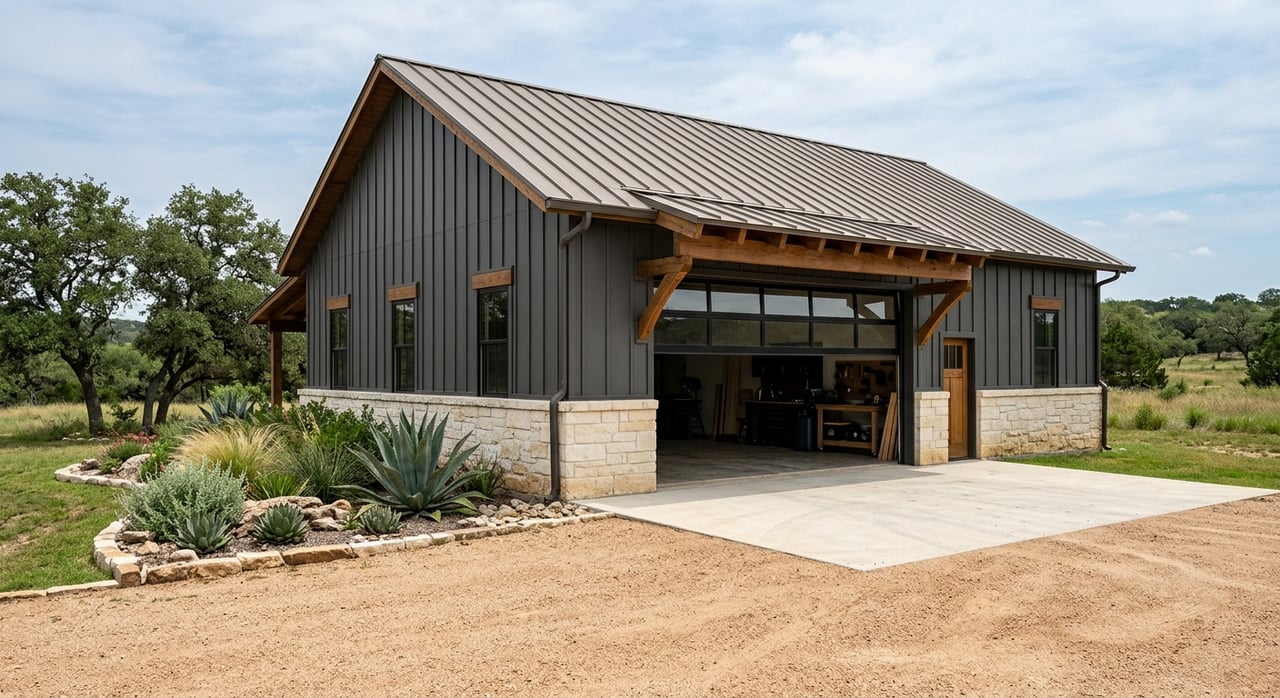
In Hill County, improvements often shape first impressions in a big way. Buyers may love open land, but they also want to know whether key features are already in place and functional.
Hill CAD states that agricultural appraisal applies only to the land itself. It also notes that barns, ranch outbuildings, and storage tanks are appraised separately at market value, while features like roads, fences, and stock tanks are included in land value under the county’s appraisal framework. In practical terms, buyers often see these items as proof that a property is easier to use from day one.
Improvements That Stand Out to Buyers
The most appealing rural improvements are often the simplest ones. Buyers tend to notice features that save time, reduce effort, and support the intended use of the property.
These often include:
- Serviceable fencing
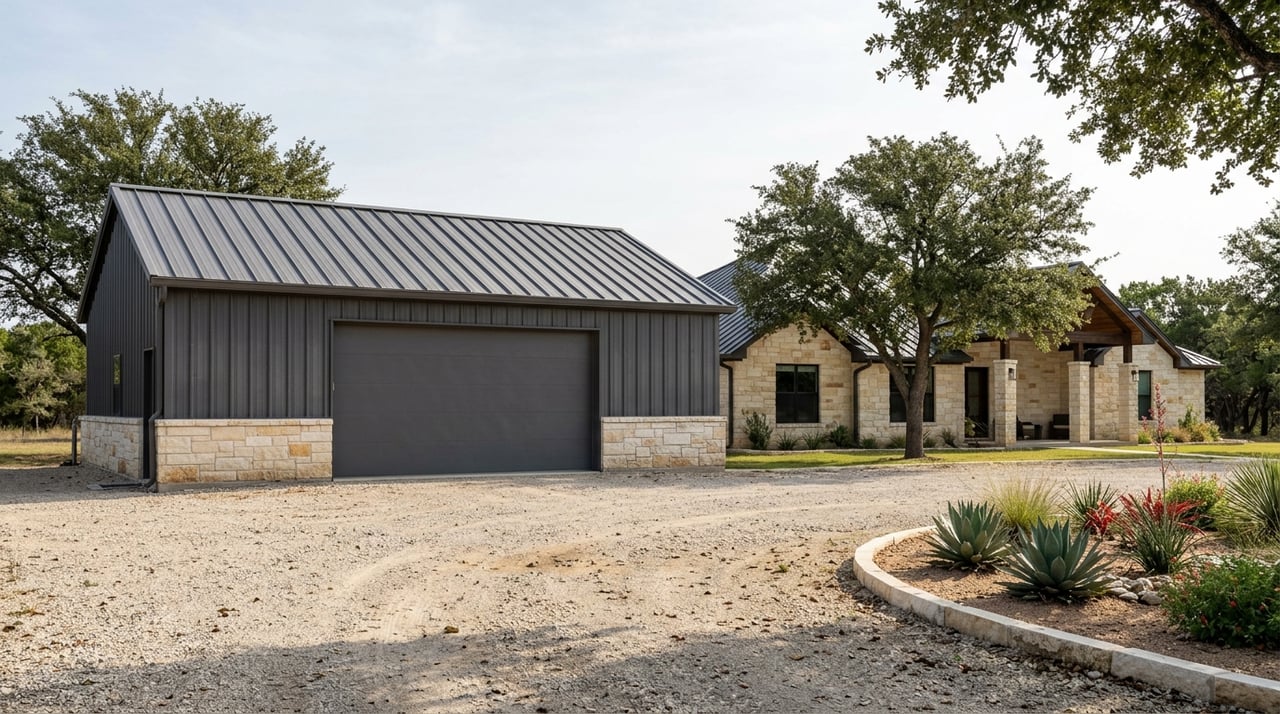
- A functional barn or storage building
- Maintained roads or drive paths
- A clear and usable entrance
- Stock tanks or other practical land features
Hill County’s ag guidelines also note that adequate fencing is required for livestock confinement and that cropland should be free of brush. That supports a common local pattern: properties that look maintained and easy to show often feel more valuable than similar tracts in rougher condition.
Frontage and Entry Shape First Impressions
Drive-up appeal matters in rural real estate, but it looks different than it does in town. In Hill County, buyers are often more impressed by stewardship than landscaping.
A clean entrance, visible boundaries, trimmed frontage, and an obvious path into the property help buyers feel oriented right away. If the land looks abandoned or hard to access, many buyers start mentally adding cost, time, and uncertainty before they ever step out of the truck.
What Good Presentation Signals
For rural buyers, a well-presented property often suggests:
- The land has been actively cared for
- Boundaries may be easier to understand
- Access is more straightforward
- The property may require less immediate work
That is one reason ready-to-use properties often stand out in the local market. Buyers want to picture themselves enjoying or operating the land, not spending months solving basic issues.
Access Is a Major Buyer Concern
Access is one of the biggest due diligence issues on any rural property. Buyers want to know exactly how they get to the land and whether that access is public, private, or based on a recorded easement.
The Texas A&M AgriLife Access to Property resource highlights easements, landlocked property, trespassing, and legal access as core rural-land concerns. In Hill County, this becomes even more practical because the county’s 911 addressing process requires a new driveway to be staked if there is not already an established driveway.
Access Questions Buyers Want Answered
Buyers often ask:
- Is access from a public road or a private road?
- Is there a recorded easement?
- Is the property landlocked?
- Does the driveway already exist?
- Will culvert or drainage work be needed?
Hill County has also adopted subdivision rules effective March 4, 2025 and maintains a culvert permit process, which makes access details even more important during the buying process. When answers are clear, buyers can move ahead with less hesitation.
Water and Septic Details Build Confidence
Utilities are another major decision point for Hill County rural buyers. If the property is outside typical city utility service, buyers usually want detailed information about water and wastewater systems before they feel comfortable.
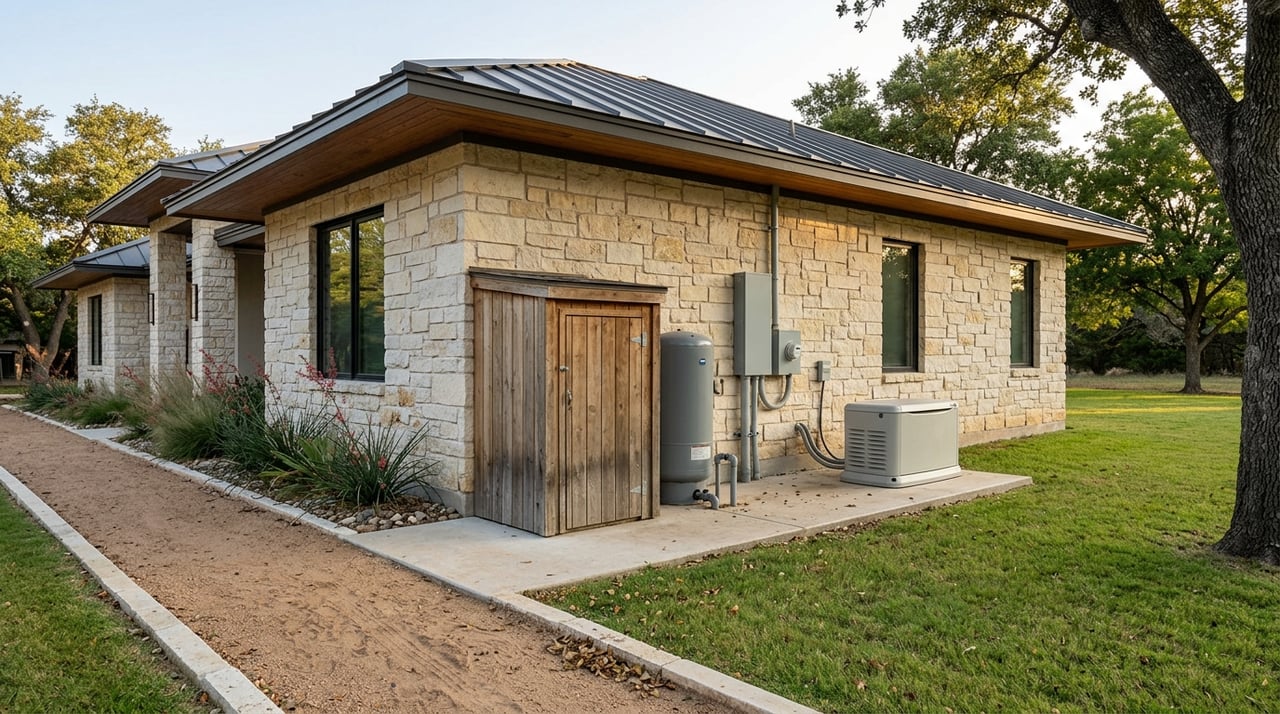
Texas A&M notes that Texas has more than 1,000,000 private wells and that private well owners are responsible for checking and maintaining water quality. The Texas Well Owner Network provides education around well specifications, aquifers, septic systems, and water quality, which shows just how important these topics are for rural ownership.
Utility Questions Buyers Commonly Ask
Buyers usually want to know:
- Is the property served by a well, rural water, or another source?
- Are well details or maintenance records available?
- Is there an existing septic or OSSF system?
- Are permitting records available?
- Are there any known delays or requirements tied to future changes?
Hill County’s OSSF process shows that septic permitting is an active part of rural ownership. The county also warns that certain commercial-use or RV-park septic permits require TCEQ approval, which can delay authorization to construct. Even when those uses are not part of a buyer’s plan, this highlights a broader truth: utility clarity helps buyers evaluate fit faster.
Sellers Benefit From a Pre-List Packet
If you are selling rural property in Hill County, preparation can make a big difference. Buyers are often drawn to properties that feel organized, transparent, and easy to understand.
A strong pre-list packet can help reduce the back-and-forth that often slows rural transactions. Based on the issues highlighted in the research, useful items may include:
- A current survey
- Recorded easement documents
- Driveway and culvert information
- Well paperwork
- Septic or OSSF records
- Fence or pasture maps
- Agricultural valuation history
This kind of preparation helps buyers see the property as a functional purchase instead of an open-ended project. It can also make showings and negotiations smoother because key facts are already available.
What This Means for Buyers and Sellers
For buyers, the big takeaway is simple: focus on how the property will work for your real goals. A tract that fits your intended use, has clear access, and comes with solid utility information may offer more value than a larger or flashier property with unanswered questions.
For sellers, the message is just as clear. In Hill County, buyers often reward land that feels usable, maintained, and well-documented. The easier you make it for buyers to understand what the land does, how they enter it, and what systems support it, the easier it is for them to picture a confident purchase.
If you are thinking about buying or selling rural property in Hill County, working with a local expert can help you sort through the details that matter most. Cherie Laake brings county-level rural market knowledge, clear communication, and personalized support to help you move forward with confidence.
FAQs
What do Hill County buyers look for in rural acreage?
- Buyers often look for usable land, practical improvements, clear access, and solid information about water, septic, and agricultural use.
Why does usable acreage matter more than total acreage in Hill County?
- Buyers usually want land that supports a real purpose, such as pasture, recreation, livestock, or wildlife management, rather than acreage that is simply large on paper.
How important is agricultural valuation to Hill County rural buyers?
- Agricultural valuation can be important because buyers may want to understand the property’s current use, tax treatment, and whether they will need to file a new application after closing.
What access details matter most for Hill County rural property?
- Buyers typically want to know whether access is public, private, or by easement, whether the driveway is established, and whether any culvert or drainage work may be needed.
What utility records should sellers have ready for a Hill County acreage listing?
- Helpful records often include well details, septic or OSSF paperwork, survey documents, easement records, and any available information about driveway or culvert improvements.
Do improvements increase buyer interest in Hill County rural homes?
- Yes. Buyers often respond well to functional improvements like fencing, barns, usable entrances, roads, and stock tanks because these features can make the property feel more ready to use.