Thinking about selling your Bosque County ranch or acreage this year? A smooth sale starts long before the sign goes up. With the right prep, you can reduce surprises, build buyer confidence, and protect your bottom line. This guide walks you through the essential documents, land and water system checks, marketing steps, and timelines that matter most in Bosque County. Let’s dive in.
Know the Bosque County basics
Bosque County has its own processes for records, roads, and permits. Start early with county contacts so you are not scrambling late in the game. The county website is your hub for commissioners, the county clerk, road and bridge, and local records. You can find current contacts and links on the Bosque County official site.
If your land carries an agricultural or wildlife appraisal, you need to understand how a change in use can affect taxes. Texas outlines the rules for special appraisals and potential rollback taxes, which can apply when the use changes after a sale. Review the state’s guidance from the Texas Comptroller on agricultural and timber appraisals and plan your timeline and disclosures accordingly.
Many Bosque County ranches rely on private wells. Local well registration and permitting falls under the Middle Trinity Groundwater Conservation District. Before you list, confirm your well’s status and gather records so you can provide them to buyers. The Middle Trinity GCD also offers guidance on well plugging and permitting.
Gather the documents buyers will request
Having a clean, complete file ready up front reduces delays and renegotiations. Here is what to pull together.
TREC Seller’s Disclosure and addenda
If you are selling a home on acreage and it is your primary residence, you will likely need the TREC Seller’s Disclosure Notice. Use the most recent form and attach any needed addenda for wells, septic, or solar. You can find the current notice on the Texas Real Estate Commission forms page.
Deed, easements, and chain of title
Verify that the owner names match county records. Identify any recorded easements, rights of way, or mineral reservations that affect access or use. You or your title company can use the county clerk index and appraisal district records to confirm what is on file. The Bosque Central Appraisal District’s search is here: Bosque CAD property search.
Survey or order a new one
A current boundary survey is one of the best investments you can make before listing acreage, especially if there are easements, private drives, cross fencing, or past splits. A clear survey can prevent disputes over access and fence placement. For a helpful overview of why surveys matter, see this explainer from Texas A&M Real Estate Center on using surveys to avoid entanglements: TRERC survey guidance.
Title commitment and exceptions
Ask your title company to prepare a title commitment early. Reviewing exceptions up front lets you address issues such as utility easements, pipeline easements, or deed restrictions before buyers raise them. For a plain‑English primer on what a commitment covers, read this overview: What is a title commitment and why it matters.
Taxes, appraisals, and ag valuation
Pull your Bosque CAD file for the parcel to confirm current appraised values, exemptions, and whether an agricultural or wildlife appraisal is in place. If a buyer plans a new use, prepare to discuss possible change‑of‑use and rollback exposure. The state’s rules are summarized in the Texas Comptroller’s ag appraisal guide.
Utilities, systems, and leases
Collect well permits and pump maintenance records, septic permits and service history, and any active leases for pasture or hunting. If you have a solar lease or financed panels, gather the agreement and payoff or transfer requirements. Treat these like any encumbrance that needs to be disclosed and planned for at closing.
Improvements inventory
Create a simple list of included fixtures and excluded items. Note gates, panels, feeders, troughs, and any equipment you plan to remove. Clear expectations prevent last‑minute misunderstandings.
Prepare land, water, and structures
Acreage buyers look for access, boundaries, water, and usable spaces. Focus on the items that help them feel confident about condition and utility.
Access and gates
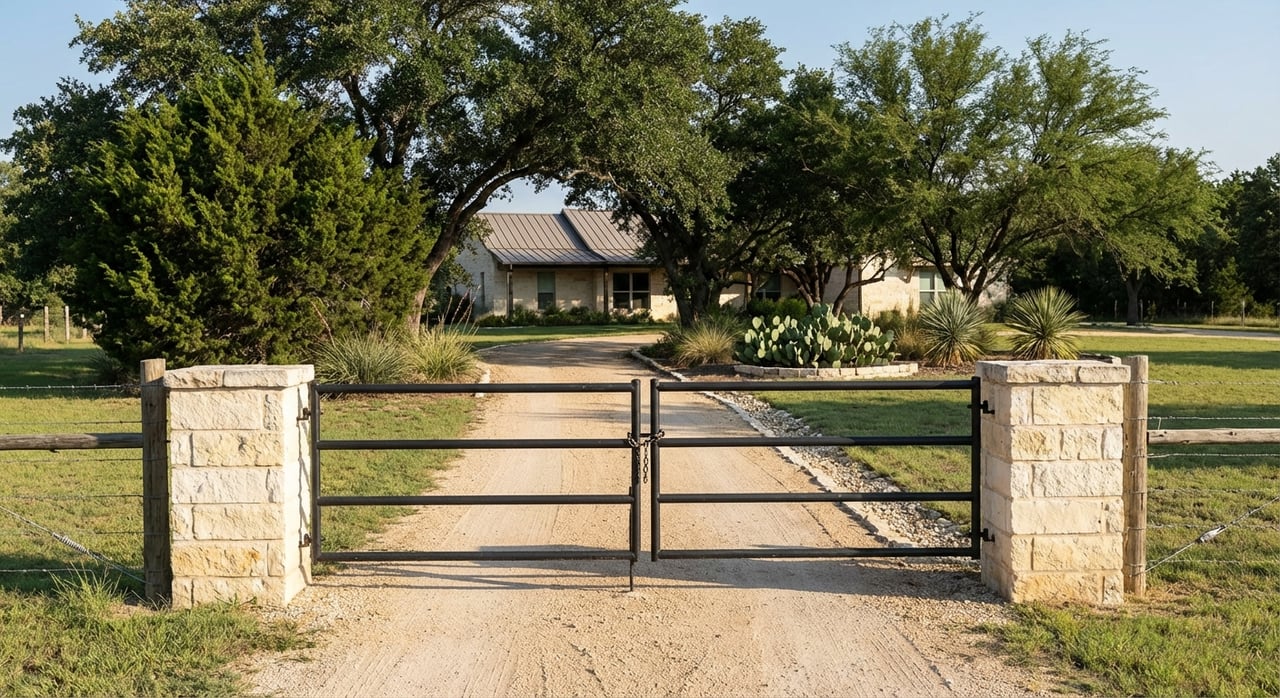
First impressions start at the road. Repair or repaint gate posts, check latches, and make sure locks and codes work. If you have a long private drive, consider basic grading or fresh gravel where needed. If you plan any culvert or county right‑of‑way work, coordinate with Bosque County road and bridge using the county website.
Legal access is also key. Confirm whether ingress is from a public road or by easement across a neighbor. Your survey and title commitment should show recorded access. If access is via a private easement, include a copy in your listing packet and be ready to discuss any maintenance agreements.
Fences and boundary clarity
Walk the perimeter and primary paddocks. Tighten wire, replace broken posts at corners and gates, and mend cross fences if you are marketing to livestock users. Recent trade guides often cite a wide range for fence work, but many sellers and buyers reference roughly 1 to 8 dollars per linear foot depending on type and terrain. You can include a simple fence condition note or map to set expectations.
Water systems: wells, ponds, stock tanks
Gather well logs, completion reports, and any permit or registration from the Middle Trinity GCD. Consider a visual inspection, a pump test, and a basic water quality test for bacteria and nitrate. Buyers appreciate seeing recent records, and lenders may require them for certain loans. Learn about local well rules from the Middle Trinity GCD.
If you have a pond or stock tank, inspect spillways and banks, and look for algae blooms or odors. If you market the pond as an amenity, note surface acres and typical depth if known, and include good photos. The Texas Parks and Wildlife Department offers practical guidance for private pond management, including stocking and aeration tips. See TPWD’s pond management resources.
Septic systems (OSSF)
Septic requirements are set by the state, and many counties act as the local authority. In Bosque County, most buyers expect to see recent pumping and inspection records. A simple pre‑listing inspection helps you avoid surprises during the option period. For homeowner guidance and permitting basics, start with the TCEQ OSSF page.
Outbuildings and working areas
Check roofs, doors, and electrical service in barns and outbuildings. Make sure corrals, gates, and alleyways operate safely. Organize equipment areas and remove non‑functional vehicles or debris from sight lines. Clean, simple spaces photograph better and make showings smoother.
Vegetation, brush, erosion, and wildlife
Trim roadside brush and mow along your drive for better curb appeal. Clearing key travel corridors helps the photographer capture long, open views. If you are marketing to recreational or wildlife buyers, consider a managed brush strategy rather than clearing everything at once. Leaving mast and shelter patches and water access can support habitat while still improving visibility.
Market your acreage the right way
Photos and aerials that highlight land
Acreage buyers shop visually. Plan for a photo set that shows the entrance, the primary residence, outbuildings, pastures, fences, water features, and broad vantage points. Schedule exteriors during the golden hour, mow trails, and clear equipment from key views before the shoot.
For aerials, hire a professional who follows FAA rules. Commercial drone operators in the U.S. must hold a Part 107 certificate and comply with Remote ID. A certified pilot handles registration and airspace authorizations for you. Learn more about the rules in the FAA Part 107 overview.
Maps and data that answer questions fast
Help buyers evaluate from their laptop by sharing clear maps and documents. Include a parcel map, any recent survey or selected pages, known easements, well and septic locations, and a list of included improvements. The Bosque CAD property search provides legal descriptions and tax data you can add to your packet.
Build a realistic pre‑listing timeline
Eight‑week plan you can adapt
- Weeks 8 to 6: Gather your deed, any past surveys, your Bosque CAD file, well and septic records, and any lease or solar paperwork. If you rely on a private well, confirm registration or permit details with the Middle Trinity GCD. If you lack a usable survey, contact a licensed surveyor now.
- Weeks 6 to 3: Repair gates and corner posts, grade the drive, clear visible brush along the entrance and main trails, and line up professional photos and a drone pilot. If you have ponds, note surface area and stocking history and take fresh photos.
- Weeks 3 to 0: Finish staging, complete interior and exterior photography, and load your listing packet in a secure folder for your agent. Include survey pages, easement documents, well and septic records, and tax data. For more context on how surveys protect both sides, share the TRERC survey guidance.
Common costs to plan for
- Fence repair or replacement: Often referenced at roughly 1 to 8 dollars per linear foot installed depending on type, height, and terrain. Get at least two local bids.
- Septic inspection or pumping: Many Texas providers quote around 250 to 500 dollars for basic pumping or an inspection report. Older systems may need a camera inspection.
- Survey: Pricing varies by acreage, terrain, and complexity. Rural surveys commonly run into the low thousands or more. Ask for quotes from licensed local surveyors.
- Drive grading and gravel: Costs vary by length and material. Ask local roadwork or gravel contractors for a site visit and estimate.
Fix paperwork that delays closings
The most common slowdowns are missing or outdated surveys, unclear or disputed access, septic permit questions, unrecorded solar liens or leases, and missing well or pump records. Address these before you list. If access or boundary clarity is a concern, a current survey is often the fastest fix. See the TRERC survey guidance for why this pays off.
Quick seller checklist
- Pull your deed, any survey, your Bosque CAD parcel file, and well and septic paperwork.
- Confirm legal access from a public road or by recorded easement. Keep a copy of any maintenance agreement.
- Fix or secure the primary gate and make sure the drive is clean and passable. Remove junk vehicles from photo lines.
- Schedule a well test or pump check and a septic pump or inspection if the system is older or unknown.
- Repair high‑priority fence issues at corners and gates and note overall fence condition.
- Inspect pond spillways and banks and gather any stocking history and photos.
- Complete the TREC Seller’s Disclosure and attach well, septic, and solar paperwork.
- Book a land photographer and a Part 107‑certified drone pilot. Plan for golden‑hour exteriors.
Why preparation matters
Prepared listings earn more trust and move faster. When buyers can see clean access, clear boundaries, documented water and septic systems, and strong visuals from the start, they spend less time worrying and more time deciding. You also reduce the chance of late‑stage renegotiation because you have already handled the big questions.
If you want a partner who understands Bosque County land and knows how to market acreage to both local and metro buyers, we are here to help. From valuation to closing, you will get clear steps, strong negotiation, and a steady hand throughout the process. When you are ready, reach out to Cherie Laake for a custom pre‑listing plan.
FAQs
What is a rollback tax on Bosque County land with an ag appraisal?
- Texas allows special open‑space appraisals for qualifying ag or wildlife use. If the use changes after sale, a rollback tax can apply. Review the Texas Comptroller’s ag appraisal guidance and plan disclosures and timing with your agent and title company.
Do I need to register my private well before selling in Bosque County?
- If your ranch relies on a private well, confirm registration or permitting with the Middle Trinity GCD. Gather well logs, completion reports, and maintenance records for your buyer packet.
Should I inspect or pump my septic system before listing?
- Yes, a recent inspection or pumping record is a smart pre‑listing step. Many buyers and lenders expect documentation, and it can prevent delays. Start with the TCEQ OSSF guidance and confirm any county‑level requirements.
Do I really need a new survey to sell acreage?
- If your survey is outdated, if the tract has been split, or if there are private roads or easements, a current survey is strongly advised. It clarifies boundaries, fences, and access. See the TRERC article on surveys for why this reduces risk.
Can I use drone photos for my ranch listing?
- Yes, but hire a Part 107‑certified pilot who follows FAA rules and Remote ID. A certified pro manages airspace permissions and delivers quality aerials. Learn more in the FAA Part 107 overview.
How should I present my pond or stock tank to buyers?
- Document surface area and typical depth if known, take fresh photos, and note any stocking or fertilization history. For upkeep tips, see TPWD’s pond management resources.