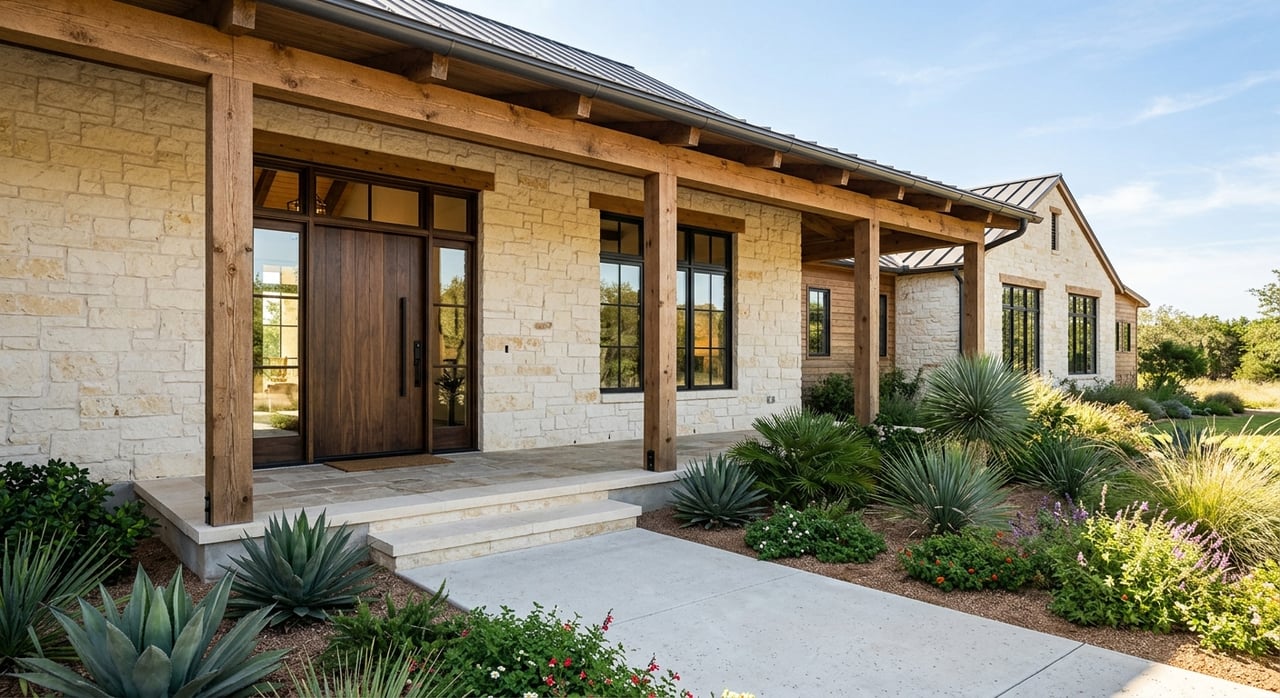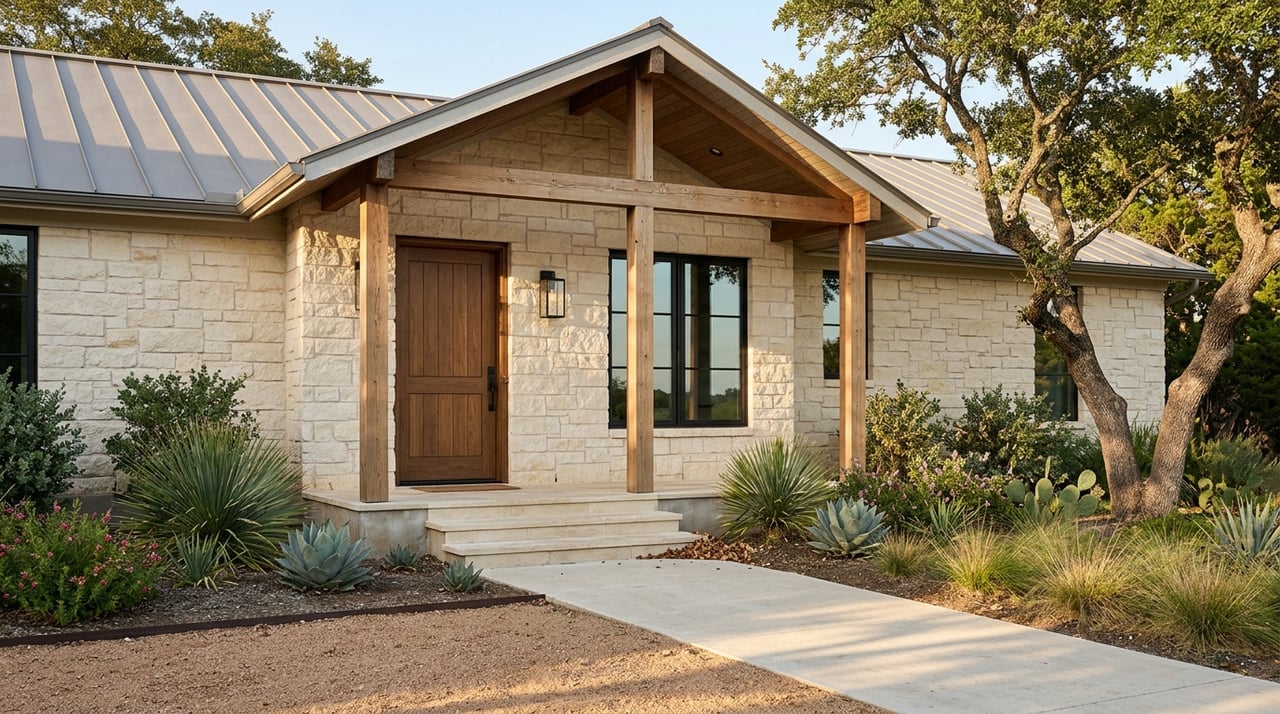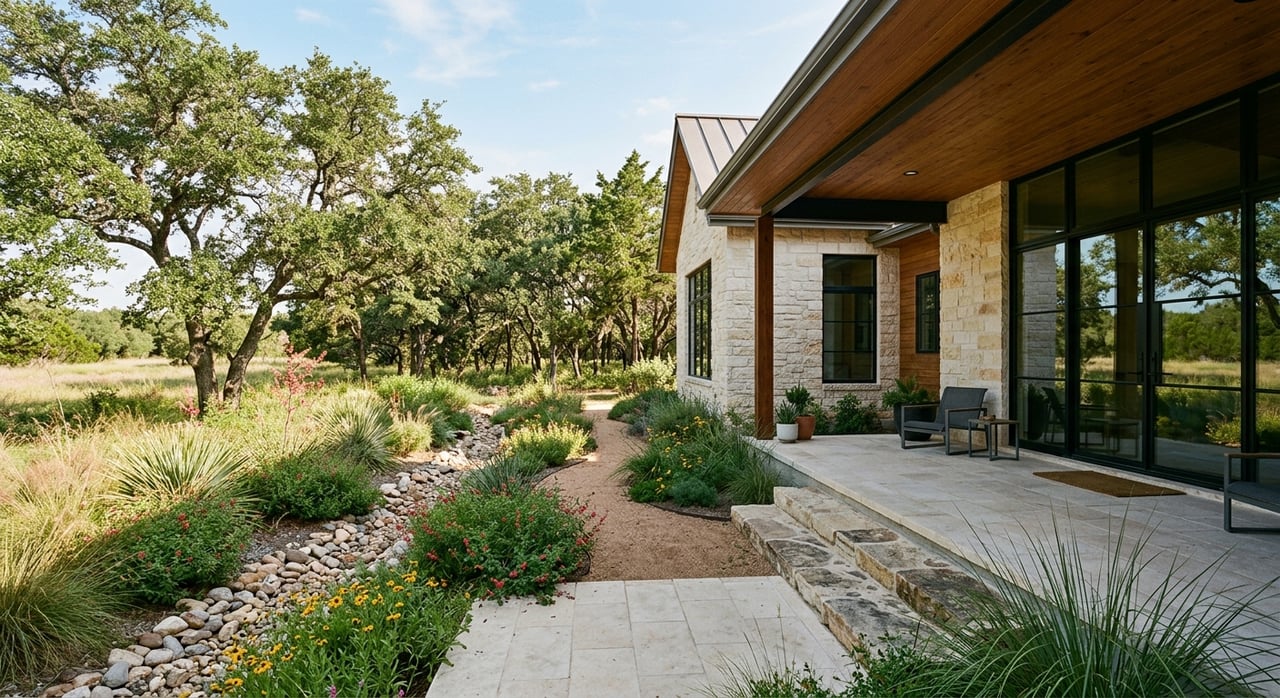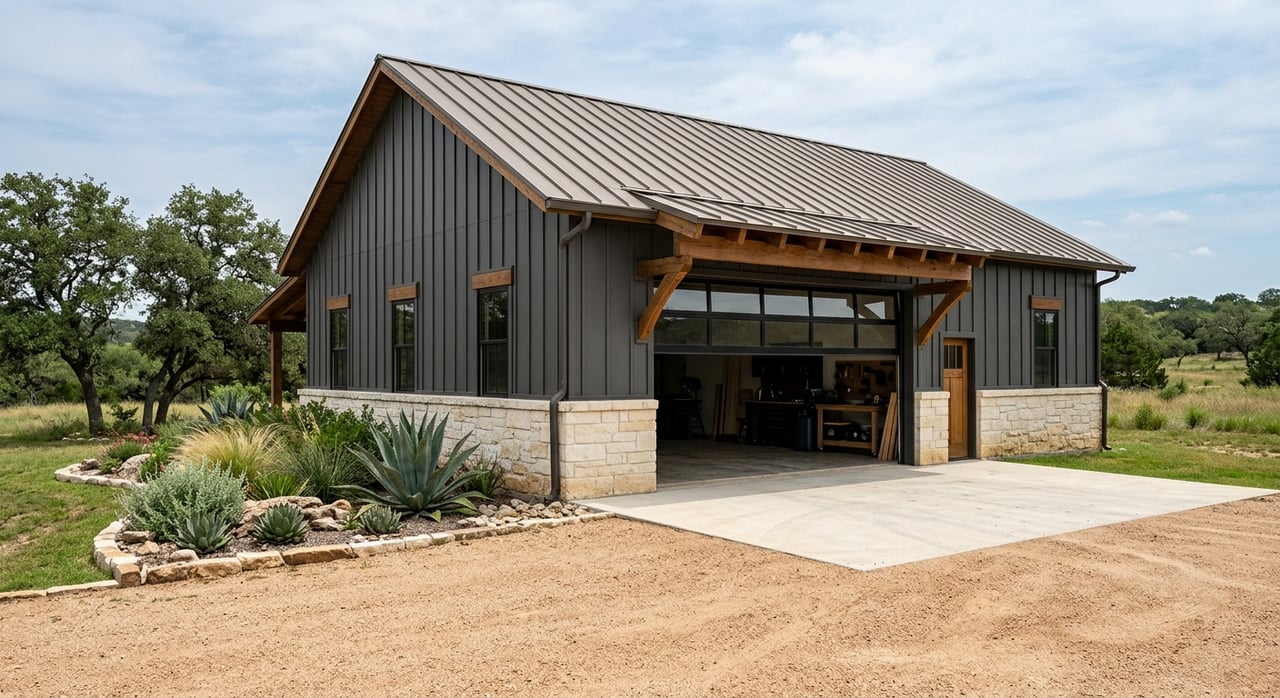
Thinking about trading traffic for trees and open sky? If you are eyeing your first acreage in Hill County, you are smart to ask different questions than you would for a suburban home. Private roads, wells and septic systems, and property taxes can all work in your favor if you plan well. This guide walks you through prices, utilities, access, taxes, and a copy‑and‑save due diligence checklist so you can buy with confidence. Let’s dive in.
Why Hill County fits your move
Hill County sits between the Dallas–Fort Worth area and Waco, with Hillsboro as the county seat and a population of about 36,000 residents, according to U.S. Census QuickFacts. You will find hobby farms, ranch tracts, Lake Whitney area acreage, and I‑35 frontage sites. That mix gives you options whether you want privacy, pasture, or a future building site close to the highway. U.S. Census QuickFacts
On price, local land listing aggregators show wide variation. Recent LandSearch data points to an average listing price near $19,000 per acre, while other portals often show medians in the $12,000 to $18,000 per acre range depending on size, improvements, and proximity to highways or the lake. Prime I‑35 frontage and highly improved tracts can command more. Always confirm current numbers for your specific area and property type. Hill County land listings on LandSearch
Key takeaways:
- Prices vary by access, utilities, improvements, and location within the county.
- Waterfront or highway‑front parcels often carry a premium.
- Larger tracts may show a lower per‑acre price than small, improved homesites.
Price expectations and how to compare
Start with your end use. A raw pasture tract without utilities prices very differently than a smaller improved homesite with fencing, a driveway, and a meter. As you compare listings, look closely at what is already in place. Utilities and road access can save you significant up‑front costs.
Use per‑acre numbers as a guide, not a rule. Compare apples to apples by adjusting for improvements and location. If two 10‑acre tracts differ by $6,000 per acre, but one already has a well, septic, and power, that gap may shrink when you price utility installation.
Plan your total project budget, not just the land price. Clearing, a driveway upgrade, utility extensions, a well and septic system, and fencing can add up. On remote parcels, initial work often reaches tens of thousands of dollars.
Access and roads: your first big checkpoint
In rural Texas, road status matters. Counties maintain only roads officially accepted by the commissioners court. Private roads and shared easements are not county maintained. You need to confirm whether the tract fronts a public county road, a private road, or an easement across a neighbor’s land. The difference affects maintenance, insurance, and even lender approval. County roads explainer
If the acreage sits in a subdivision or is being created as a new lot, Hill County’s subdivision ordinance will guide road and utility standards and the platting process. Ask for the subdivision plan and approvals during diligence. Hill County Subdivision Ordinance
At the showing: access checklist
- Ask whether access is a public county road, a private road, or a recorded easement. Request the deed, plat, and easement documents.
- If access is private, ask for a written road maintenance agreement and recent invoices.
- Check for gates and locks. Confirm how emergency access is handled.
- Walk the entry. Look for drainage issues at culverts, low spots, or low‑water crossings.
Utilities and services: what changes outside town
Moving from a subdivision to acreage shifts how utilities work. Here are the items to confirm for any Hill County tract.
Electricity
Parts of Hill County are served by Oncor, an investor‑owned transmission and distribution utility, and many rural areas are served by HILCO Electric Cooperative. Service areas do not overlap, and service is set by certified territories. Confirm the serving utility and whether a meter exists on site. If power must be extended, request a line‑extension estimate early.
Water and wells
Near towns, some tracts can connect to municipal or water supply corporation systems. Many rural parcels rely on private wells. Ask for the well log, pump details, and recent water quality test results, including bacteria, nitrate, and lead. If no well exists, get written quotes for drilling and pump installation, since depths and costs vary with local geology.
Groundwater rules
Hill County is in the Prairielands Groundwater Conservation District. Wells may need registration or permitting, and the district sets rules for reporting and pumping in parts of the district. Confirm what applies to your intended use before you close. Prairielands Groundwater Conservation District
Septic systems (OSSF)
If the property is not on city sewer, you will use an on‑site sewage facility. Hill County requires permitting for new or replacement systems. Request the existing OSSF permit, a diagram of the tank and drain field, and the last inspection or pumping receipts. If no permit exists, budget for a site evaluation and design. Hill County OSSF permit application
Internet and cell
Connectivity is mixed. Fiber and higher‑speed wired service are more common near town centers and some subdivisions. In outlying areas, fixed‑wireless or satellite may be the fallback. Test cell coverage at the property and run a speed test during your showing. Ask providers to check service by exact address.
Other rural services
Many rural homes use propane for heating and cooking and private trash haul services. Plan for tank leases or refills, and put septic pumping, well maintenance, and driveway upkeep on your regular calendar.
Land use, permits, and planning
If you plan to build, add structures, or divide land, the Hill County Subdivision Ordinance lays out platting, road, and utility requirements and ties wastewater rules to state standards. Get clear on timelines and submittals before you design or disturb anything. Coordinate early with surveyors, engineers, and the county so your plans align with local rules. Hill County Subdivision Ordinance
Mineral rights may be severed from surface rights in Texas. Order a title commitment and have an attorney explain any exceptions or leases shown in the title work.
Property taxes and ag valuation
Hill County Appraisal District publishes the rules for agricultural open‑space valuation, often called 1‑d‑1. To qualify, the land must be primarily devoted to a qualifying agricultural use and show a history of that use, typically five of the previous seven years, along with local minimum acreage standards. Applications are due by April 30 and late filing can carry penalties. For small hobby acreage, review the county’s degree‑of‑intensity and acreage thresholds to see what is realistic. HCAD Ag Guidelines
To estimate a tax bill, identify all taxing entities for the parcel and sum their rates. For example, if a hypothetical unincorporated property sits in Whitney ISD, sample rates from HCAD’s 2025 list include Hill County at about 0.452647 per $100, Whitney ISD at about 0.951100 per $100, and Hill College at about 0.083223 per $100. That gives a combined example of roughly 1.48697 per $100. If the taxable value were $400,000, the estimated tax would be:
- 400,000 divided by 100 = 4,000
- 4,000 multiplied by 1.48697 = about $5,948 per year
Actual bills vary by appraisal, exemptions, city limits, and any special districts. Ask the seller for recent tax bills and confirm rates with HCAD. HCAD tax rates list
Real ownership costs to budget
Owning acreage often feels simpler than suburbia, yet there are different line items to plan for. Build a budget that fits the land and your goals.
- Property taxes. Use HCAD’s rates and recent bills as a guide. Exemptions and ag valuation can lower the bill if you qualify.
- Insurance. Rural homes may need outbuilding, equipment, or liability coverage. Premiums depend on dwelling value and distance to fire protection.
- Utilities. Electricity use can be higher if you run a well pump or shop equipment. Plan for propane deliveries if you use gas appliances.
- Septic. Routine pumping every 3 to 5 years and periodic inspections keep systems healthy.
- Well and water. Pressure tanks and pumps wear over time. Plan for routine service and occasional repairs.
- Road and fence. Grading private drives, replacing culverts, and repairing fencing are recurring costs. Larger drives or long fences increase expenses.
- Land care. Mowing, brush control, tree work, and pond care vary by acreage and how manicured you want the property.
- Up‑front projects. Clearing, driveway work, utility extensions, well drilling, and septic installation can total tens of thousands of dollars on remote raw tracts. Get quotes during your option period.
Your copy‑and‑save due diligence checklist
Use this list during showings and your option period. Ask for documents, not just verbal answers.
Access and title
- Confirm whether access is public road, private road, or easement. Request the deed, plat, and easement documents.
- If private, get a written road maintenance agreement and recent invoices.
- Note gates and locks and confirm emergency access.
Water and wastewater
- If on municipal or WSC water, request connection details and past bills.
- If on a well, ask for the well log, pump specs, and recent water quality tests.
- Locate the septic tank and drain field. Request the OSSF permit and last inspection or pumping receipt. Hill County OSSF permit form
Electric and other utilities
- Identify the electric provider and whether a meter is on site. Call the utility for serviceability and any line‑extension estimate. Oncor map | HILCO service area
- Ask about propane tank ownership or lease if applicable and trash service options.
Broadband and cell
- Test cell service at the home site and around the property. Ask providers to check exact‑address availability for fiber or fixed wireless.
Land and improvements
- Walk all fence lines and gates. Note condition and what conveys.
- Ask about stock tanks, cross‑fencing, or corrals and any known easements or leases.
Planning and regulations
- Ask whether the parcel is in a floodplain and request any elevation or survey data.
- If you plan to build or divide, review the county’s subdivision and permitting process and timelines. Hill County Subdivision Ordinance
Taxes and valuation
- Request the last 2 to 3 years of tax bills and confirm taxing entities with HCAD’s lists.
- If the property holds a 1‑d‑1 agricultural valuation, confirm how long it has been in place and whether a change of use could trigger rollback taxes. HCAD Ag Guidelines
Professionals to involve
- Licensed well driller to review logs and advise on yield and depth.
- Licensed OSSF inspector to assess the tank and field.
- Surveyor to confirm boundaries and easements.
- Title company and a real estate attorney to review mineral rights and title exceptions.
- Electric utility representative for line‑extension options and costs.
- Insurance agent experienced with rural or farm policies.
Local resources to keep handy
- Hill County Appraisal District
- HCAD Ag Guidelines
- HCAD 2025 tax rates
- Hill County Subdivision Ordinance
- Prairielands Groundwater Conservation District
- HILCO Electric Cooperative service area
- Oncor service area map
- LandSearch: Hill County listings
Next steps
Buying your first acreage is about clarity. When you understand access, utilities, taxes, and the true project budget, you can focus on the right properties and negotiate with confidence. If you want a local guide who knows Hill County roads, utilities, and the fine print that affects land value, let’s talk. Schedule a quick consult with Cherie Laake to map your search, confirm your due diligence plan, and move from city to country with confidence.
FAQs
What should I expect to pay per acre in Hill County?
- Listing aggregators show wide variation, with LandSearch recently near about $19,000 per acre and other sources often between $12,000 and $18,000 per acre, depending on size, improvements, and location. See current listings
How can I tell if a road is county maintained or private?
- Check the deed and plat for road status, request any recorded easements or maintenance agreements, and verify county acceptance using guidance on how Texas counties classify roads. County roads overview
Do I need permits for a well or septic system in Hill County?
- Wells may require registration or permitting with the Prairielands Groundwater Conservation District, and septic systems require county OSSF permitting for new or replacement systems. Prairielands GCD | OSSF permit form
How does agricultural valuation work for small acreage buyers?
- Hill County follows Texas 1‑d‑1 open‑space rules that require qualifying agricultural use with a five‑out‑of‑seven‑year history and local minimum acreage standards, with applications due by April 30. HCAD Ag Guidelines
How are rural property taxes calculated in Whitney ISD examples?
- Multiply your taxable value divided by 100 times the sum of applicable entity rates; for a sample combined rate near 1.48697 per $100 and a $400,000 taxable value, the estimate is about $5,948 per year. HCAD tax rates