If you picture your Hill County life one way today, there is a good chance the reality could feel very different once you live it. A home near Lake Whitney and a home on open pasture can both offer space, quiet, and a strong sense of place, but your daily routine will not look the same. If you are trying to decide which path fits you best, this guide will help you compare the lifestyle, property factors, and due diligence points that matter most. Let’s dive in.
Hill County Lifestyle Basics
Hill County gives you room to spread out. Census QuickFacts estimates 38,771 residents in 2024 across 958.86 square miles of land, which works out to about 37.4 people per square mile. It also reports that 78.2% of housing is owner-occupied, which helps paint a picture of a county where many people put down roots.
Whitney sits in Hill County west of Hillsboro and about 60 miles south of the Dallas-Fort Worth Metroplex. That location matters if you want a property that feels removed from city pace without being too far from a metro-area drive. For many buyers, the choice here is less about city versus country and more about which kind of country life feels right.
Lake Whitney Living
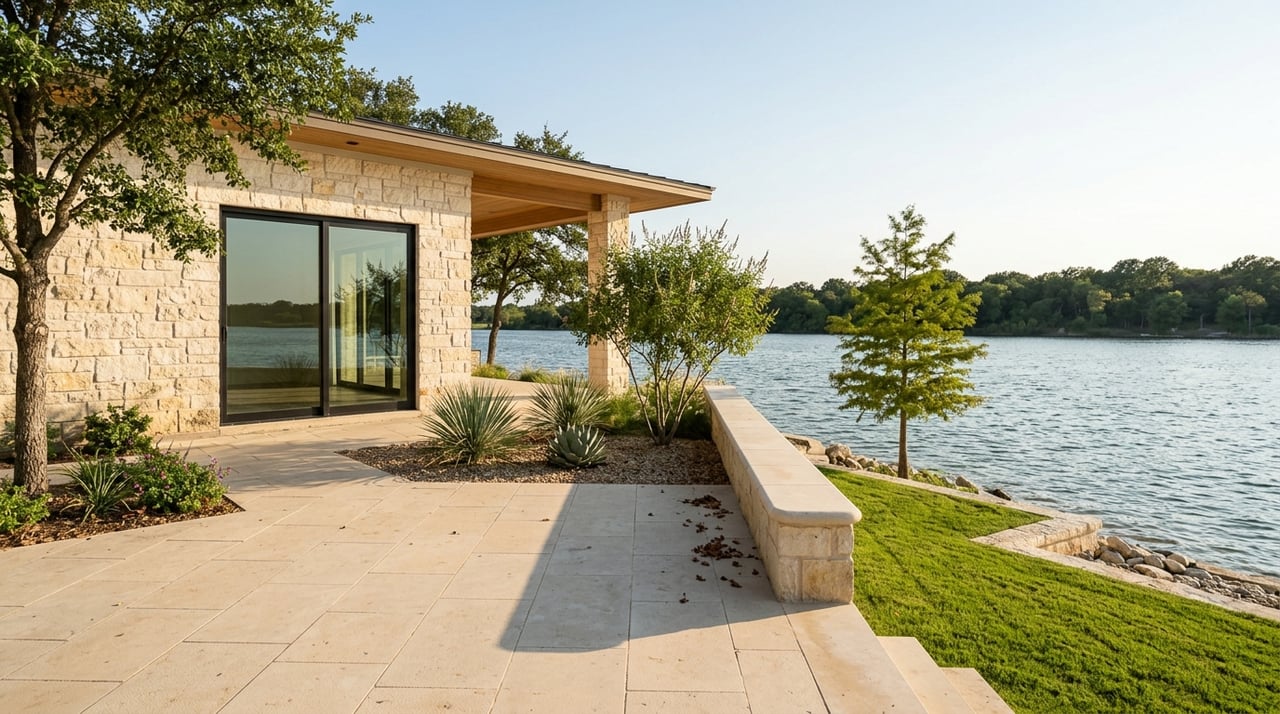
Lake Whitney is the biggest lifestyle anchor in the area. According to the U.S. Army Corps of Engineers, Whitney Lake was completed in 1951 as a flood-risk management and hydropower project. At conservation pool, it covers 23,500 acres and has more than 250 miles of shoreline.
That scale shapes the experience of owning near the water. A lake property often supports a recreation-first rhythm where your weekends, guests, and downtime revolve around being outside. If that sounds like your ideal setup, Lake Whitney may check a lot of boxes.
What the lake lifestyle feels like
Texas Parks and Wildlife presents Lake Whitney State Park as a destination centered on outdoor recreation. The park offers fishing, swimming, boating, skiing, camping, trails, geocaching, and wildlife viewing. It also includes campsites, screened shelters, cabins, a boat ramp, and a fish-cleaning shelter.
In simple terms, lake living tends to support activity and flexibility. You may picture early mornings on the water, afternoons with friends, or a second-home feel that makes it easy to unplug. It can also be appealing if you want a property that feels like a getaway while still being reachable from DFW or Waco.
Why access and convenience matter
TPWD notes that the park is a short road trip from DFW or Waco and only three miles from Whitney’s shopping and restaurants. That convenience can make a big difference if you want a weekend-oriented home base instead of a fully remote setup. You get a recreational setting without giving up access to day-to-day basics.
For some buyers, that balance is the entire appeal. You are not just buying a view. You are choosing a routine that can support quick trips, entertaining, and spontaneous time outdoors.
What to expect seasonally
Lake life is also weather-sensitive. TPWD lists January average water temperatures at 46.2°F and July averages at 85.9°F. The agency also notes annual reservoir fluctuation of 4 to 8 feet and that golden alga blooms can occur and affect fishing.
That means your experience can change with the season. A property that feels perfect for summer boating may feel very different in winter, and water conditions are not static year-round. If your dream is tied closely to fishing or constant water access, it helps to think in terms of all-season expectations, not just peak-season photos.
Open Pasture Living
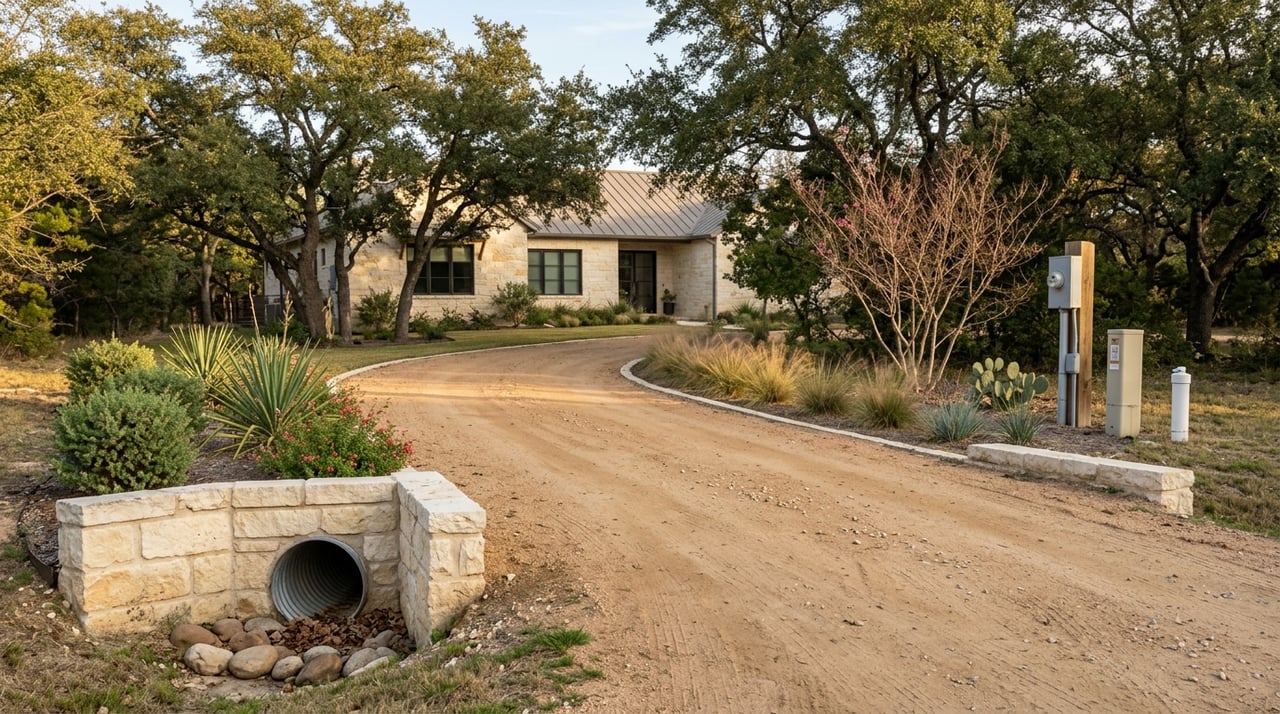
If Lake Whitney is about recreation, open pasture is about land use and day-to-day stewardship. This lifestyle often appeals to buyers who want privacy, elbow room, and the freedom that comes with owning more ground. It can be deeply rewarding, but it also tends to be more hands-on.
Pasture property is not just a larger homesite. In many cases, it comes with decisions about maintenance, utilities, access, and whether the land is truly suited for the use you have in mind. That is why acreage buyers in Hill County need to look closely at both the land itself and the county rules that apply to it.
Agricultural valuation is not automatic
One of the biggest misconceptions with acreage is that owning rural land automatically means agricultural valuation. Hill CAD says agricultural valuation is based on the land’s capacity to produce crops or livestock rather than its market value. It also states that undeveloped non-agricultural land does not qualify.
To qualify, Hill CAD says the land must be currently devoted to agricultural use, show five years of use within the preceding seven, and have agriculture as its principal use. The 2024 guidelines also say the tract generally needs more than 5 unimproved acres, or more than 6.01 acres with no more than 1 acre of improvements.
Size alone does not define use
This is where many buyers need a reality check. Hill CAD notes that one animal unit typically requires 10 to 20 acres of native range during normal rainfall years. The guidelines also note that small acreage tracts with a residence are generally treated as principally residential.
So if you are picturing a small homesite with a few animals and assuming it will function like a ranch property, the county may view it differently. Acreage can support a land-focused lifestyle, but tax treatment and land use depend on actual use, not just appearance or intention.
Infrastructure becomes part of daily life
Open-pasture living also tends to be more self-supplied than a lake-area home near established amenities. Texas A&M AgriLife and Texas groundwater guidance note that septic systems need to match household size and soil type. The same guidance says a well downhill from livestock facilities, leaking tanks, or septic systems has greater contamination risk.
That makes due diligence especially important. On acreage, the property itself may rely more heavily on systems you have to understand and maintain. If you want open space, it helps to be ready for the practical side of owning and managing land.
How to Choose Your Daily Rhythm
When buyers compare Lake Whitney and open pasture, the real question usually is not which one is better. The better question is which daily rhythm fits how you want to live. Both can be great choices, but they serve different goals.
A lake property often fits buyers who want recreation, easy gathering space, and a setting that feels getaway-ready. An open-pasture property often fits buyers who want privacy, flexible land use, and a stronger connection to the work and responsibility of land ownership. Your answer should come from how you want your normal week to feel, not just your ideal Saturday.
Choose Lake Whitney if you want
- A recreation-first lifestyle
- Easier access to boating, swimming, fishing, and outdoor weekends
- A property that works well for guests and casual entertaining
- A home base that feels like a retreat but remains accessible from DFW or Waco
Choose open pasture if you want
- More privacy and separation from neighbors
- Space for land-focused goals and day-to-day outdoor living
- A property where agricultural use may be part of your long-term plan
- A lifestyle that includes more infrastructure awareness and property management
Key Due Diligence for Buyers
No matter which direction you lean, details matter in Hill County. A lifestyle property should support the way you plan to use it, not just look good at first glance. That means asking focused questions before you move forward.
Questions for Lake Whitney buyers
- How close is the property to the water, boat access, and town services?
- How might seasonal water fluctuation affect your expectations?
- Is your interest mostly boating, fishing, entertaining, or a second-home feel?
- How often will you use the property in cooler months?
Questions for pasture buyers
- Does the land’s current use align with your goals?
- Is there a realistic path for agricultural valuation under Hill CAD guidelines?
- What do you need to confirm about septic, well placement, and soil conditions?
- How much maintenance and hands-on oversight are you comfortable with?
Understand the tax picture
Texas has no state property tax, so local appraisal districts and taxing units shape what you actually pay. In Hill County, rollback taxes can apply if land changes from agricultural to non-agricultural use. If agricultural valuation is part of your decision, you will want to understand how the current use and your future plans could affect costs over time.
The Right Choice Is Personal
In Hill County, both lifestyles offer something special. Lake Whitney gives you shoreline, recreation, and a more weekend-driven pace. Open pasture gives you privacy, usable land, and a more land-first rhythm.
The best fit comes down to what you want to wake up to and what you want to manage after you move in. If you want help sorting through acreage details, lake-area options, and the practical differences between the two, Cherie Laake can help you compare properties with local insight and a clear plan.
FAQs
What is the main lifestyle difference between Lake Whitney and open pasture in Hill County?
- Lake Whitney living is more recreation-first, while open pasture living is more land-first and typically more hands-on.
What should buyers know about agricultural valuation in Hill County?
- Hill CAD says agricultural valuation depends on qualifying agricultural use, history of use, and principal use of the land, not just the fact that a property has acreage.
What makes Lake Whitney appealing for weekend buyers?
- Texas Parks and Wildlife notes the area supports fishing, swimming, boating, skiing, camping, and trails, and it is a manageable road trip from DFW or Waco.
What infrastructure issues matter on open pasture property in Hill County?
- Septic fit, soil conditions, and well placement matter because rural properties may rely more on owner-managed systems and contamination risks can increase with poor placement.
What taxes should acreage buyers consider in Hill County?
- Buyers should pay close attention to local appraisal rules, because Texas property taxes are local and rollback taxes can apply if land changes from agricultural to non-agricultural use.